A professional plumbing inspection typically takes 1 to 3 hours for a standard residential property, depending on property size, plumbing complexity, and use of specialized tools like cameras or moisture meters.
A plumbing inspection is an essential step for homeowners, buyers, or property managers looking to ensure a home’s plumbing system is functioning properly. Whether you are buying a new home, maintaining your current property, or addressing recurring plumbing issues, inspections provide crucial information about the state of your pipes, fixtures, and water systems. One of the most common questions is: How long does a plumbing inspection take? The answer depends on several factors, including the size of your property, the type of inspection, and whether additional diagnostic tools are used.
In this detailed guide, we’ll explore what a plumbing inspection involves, the factors that influence its duration, what to expect during the process, and tips for making the most of your inspection.
A plumbing inspection is a comprehensive evaluation of a property’s plumbing system. Licensed inspectors check the condition of pipes, fixtures, water heaters, drains, and sewer lines. The goal is to identify any leaks, blockages, corrosion, outdated installations, or potential problems that could lead to costly repairs if left unchecked.
Plumbing inspections are particularly important for older homes, as aging pipes may be hidden behind walls or under floors. For homebuyers, a professional inspection provides peace of mind that the property’s plumbing is in good condition. Homeowners can use inspections to schedule preventative maintenance and avoid unexpected failures.
The duration of a plumbing inspection varies widely depending on the property size, plumbing complexity, and type of inspection being performed. On average, a standard residential plumbing inspection takes between 1 and 3 hours.
Here’s a general breakdown of typical durations:
Keep in mind that larger homes or commercial properties with extensive plumbing systems may require additional time.
Several factors influence how long a plumbing inspection takes:
Larger homes with multiple bathrooms, kitchens, and outdoor plumbing systems take longer to inspect. Each fixture and water source must be checked for proper function and leaks.
The type of inspection performed impacts duration. A basic visual inspection is quicker, while a comprehensive inspection may include testing water pressure, examining the sewer line with a camera, and checking water heaters and sump pumps.
Older homes often have more complex or outdated plumbing systems. Inspectors may need extra time to examine pipes behind walls or under floors and identify potential issues caused by wear or corrosion.
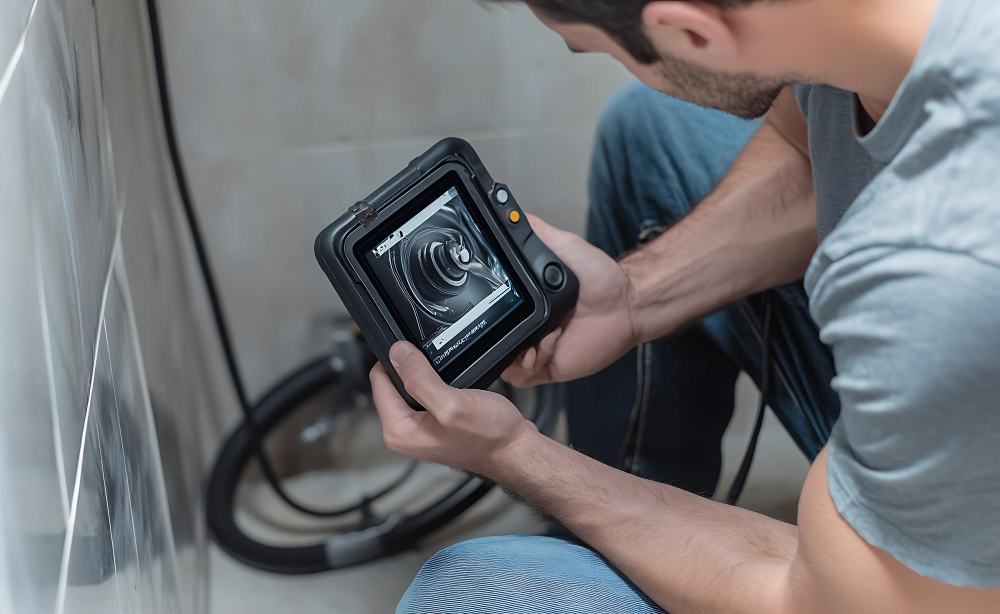
Some inspections involve specialized diagnostic tools, such as thermal cameras, moisture meters, or sewer cameras. These tools provide more detailed information but extend the inspection duration.
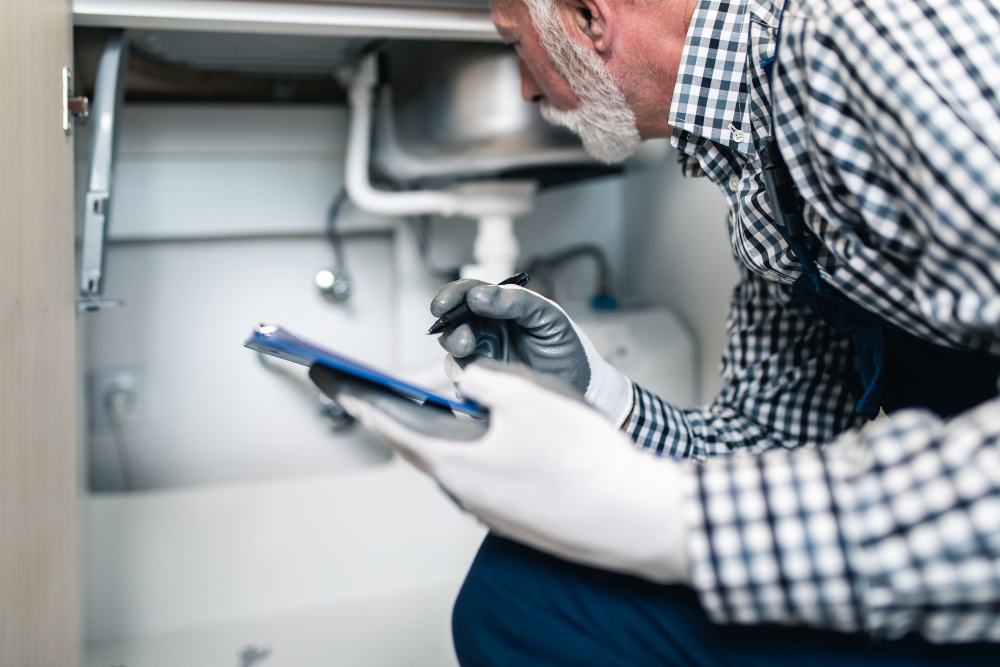
Pipes and fixtures that are difficult to access, such as those in crawl spaces, attics, or behind walls, can increase the time required for a thorough inspection. Inspectors may need to remove panels or carefully navigate tight spaces.
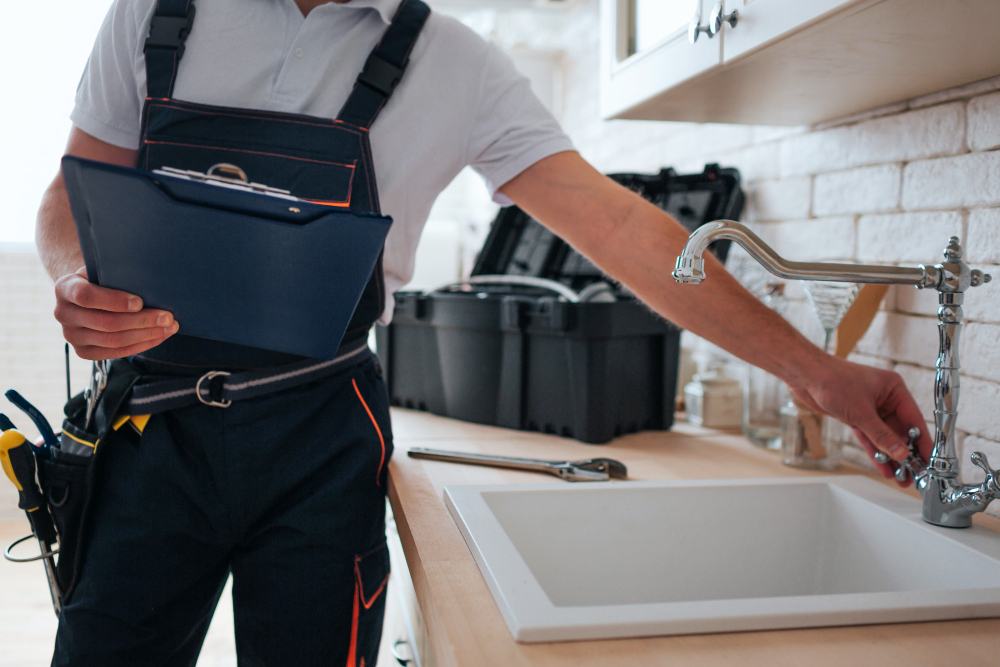
Understanding the steps of a plumbing inspection helps homeowners prepare and set realistic expectations.
The inspector begins with a walkthrough of the property, noting all plumbing fixtures, water sources, and access points. Homeowners should provide information about any known issues or past repairs.
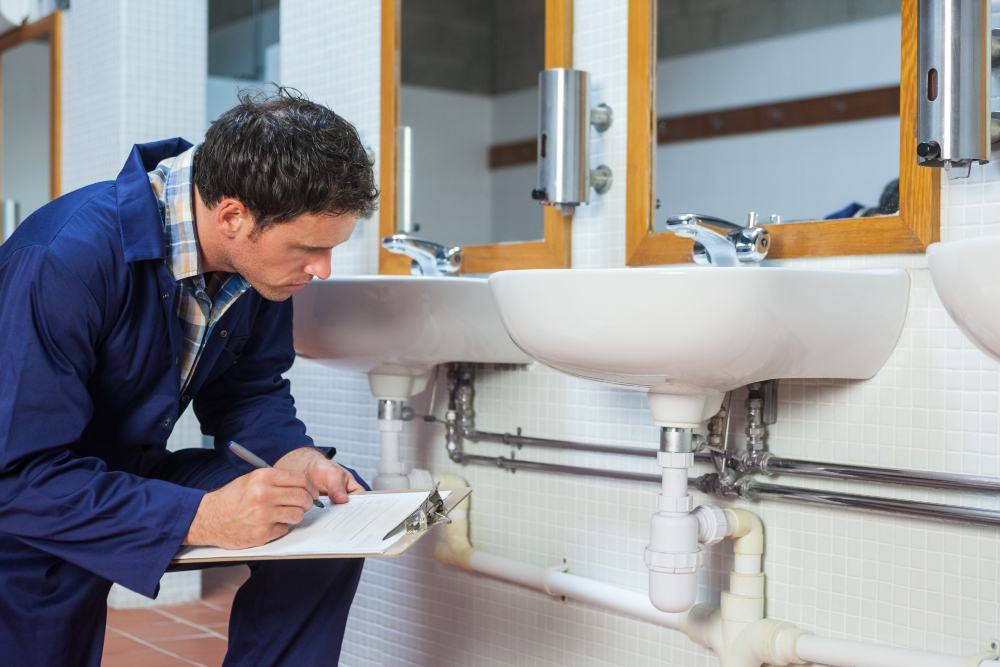
The inspector checks all visible pipes, faucets, toilets, showers, and sinks for leaks, corrosion, or damage. Water pressure is tested in multiple locations to ensure proper flow.
Water heaters, sump pumps, and other water systems are tested to confirm they operate correctly. Drains are checked for proper flow and any signs of clogs or slow drainage.
For advanced inspections, a sewer or plumbing camera may be used to examine the inside of pipes. Thermal cameras or moisture meters may detect hidden leaks or water damage behind walls and under floors.
After the inspection, the inspector provides a detailed report outlining any issues, potential risks, and recommended repairs or maintenance. Forscher Property Inspections provide comprehensive reports, often including photographs or video documentation.
Proper preparation can make the inspection more efficient and accurate.
By preparing in advance, homeowners can help inspectors complete the evaluation more quickly and accurately.
A professional plumbing inspection offers several advantages:
These estimates include visual inspections, functional testing, and reporting. Adding specialized equipment, such as a sewer camera, may increase the total time.
So, how long does a plumbing inspection take? A standard residential inspection usually lasts 1 to 3 hours, while more comprehensive inspections with specialized tools can take up to 4 hours. The duration depends on the property’s size, plumbing complexity, accessibility, and the type of inspection.
Working with a reputable company such as Forscher Property Inspections ensures a thorough, accurate evaluation, providing homeowners and buyers with peace of mind and detailed documentation for future maintenance or property transactions. Investing in a professional plumbing inspection is a valuable step toward protecting your home, avoiding costly repairs, and ensuring your plumbing system functions efficiently.
Yes, larger homes with multiple bathrooms and complex plumbing systems require more time to inspect.
A basic visual inspection of pipes, fixtures, and water pressure usually takes 1–1.5 hours.
Yes, inspections using a plumbing camera can extend the process to 3–4 hours, depending on the length and condition of pipes.
Preparing the area, providing access to all fixtures, and noting any known issues can help the inspector complete the process more efficiently.
Most inspectors provide a detailed report after the inspection, including photos, videos, and repair or maintenance recommendations.