
To pass a 4 point home inspection, ensure your roof has no visible damage, upgrade outdated electrical panels, fix plumbing leaks and replace old pipes, and service your HVAC system to confirm proper operation. Providing maintenance records and making necessary repairs in advance improves your chances of insurance approval.
If your insurance company has requested a 4 point home inspection, you may be wondering how to prepare and what steps you need to take to ensure everything goes smoothly. Many homeowners feel nervous about the process, especially if their home is older. The good news is that with proper preparation and maintenance, passing a 4 point home inspection is absolutely achievable.
This guide explains exactly how to pass a 4 point home inspection, what inspectors look for, common red flags, and how to fix potential issues before inspection day.
Before learning how to pass a 4 point home inspection, it’s important to understand what is being evaluated. A 4 point inspection focuses only on four major systems:
Insurance companies use this inspection to determine risk before issuing or renewing homeowners’ insurance. The goal is to confirm that these systems are in good working condition and do not pose safety hazards.
Technically, homes do not “pass” or “fail.” However, serious issues in any of these four areas may cause insurance companies to deny coverage or require repairs.
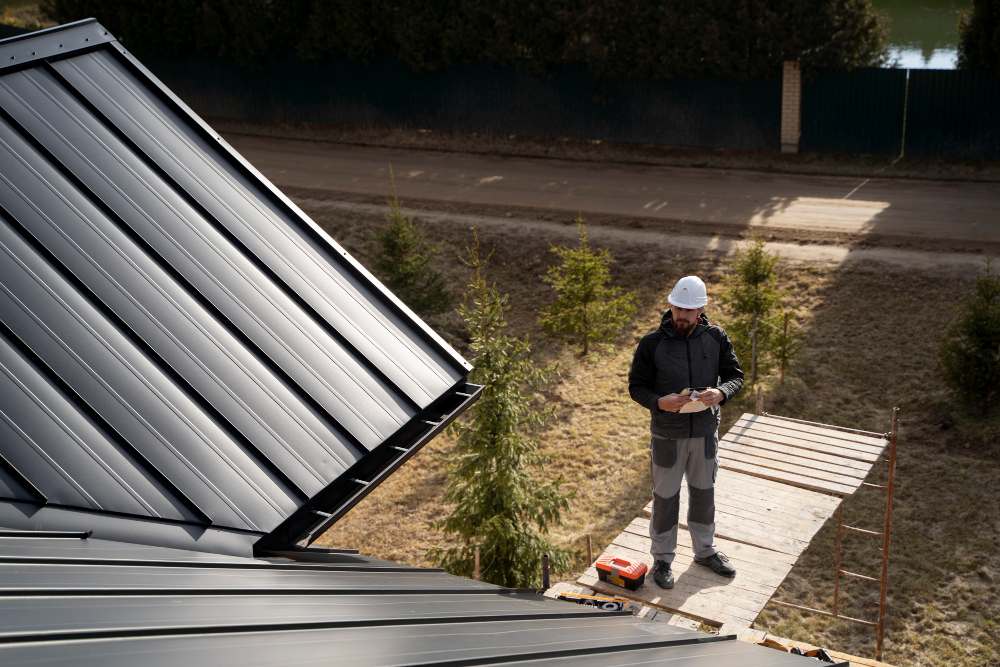
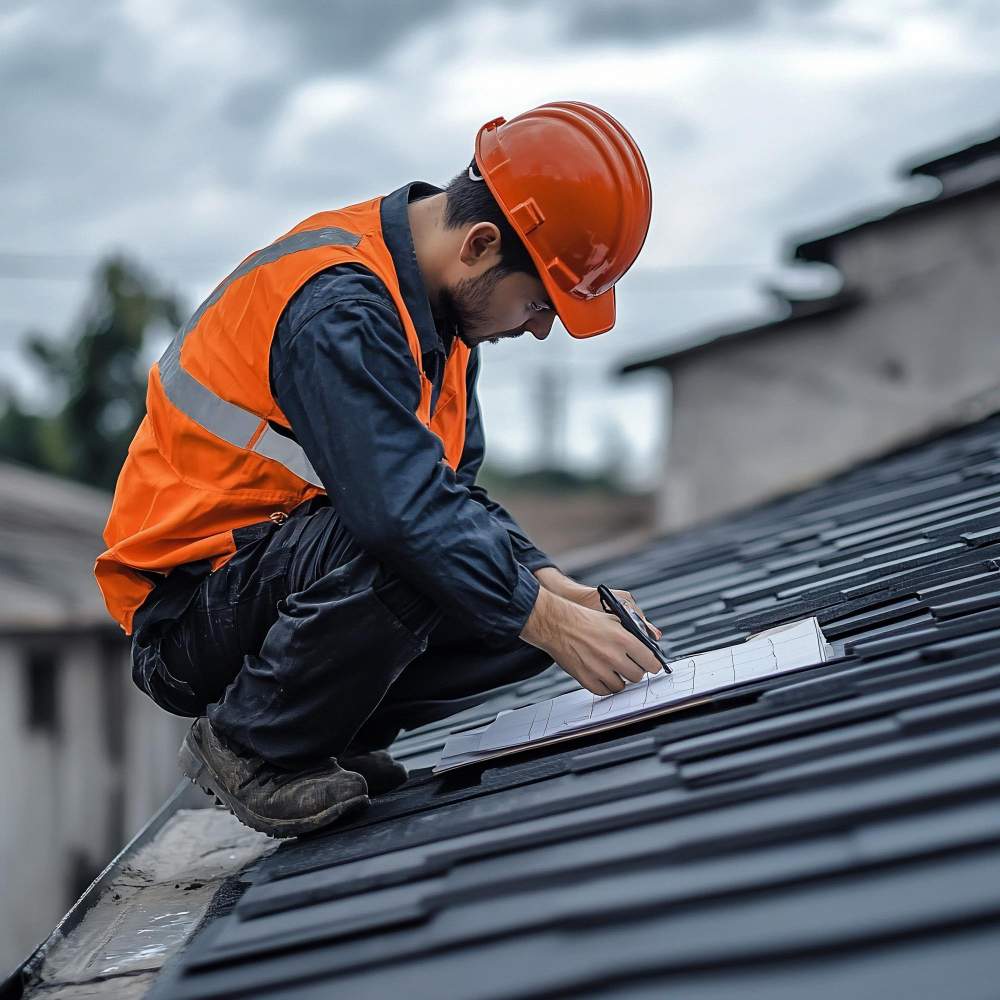
The roof is one of the most critical components evaluated during a 4 point inspection. Insurance companies are concerned about water damage risk and the remaining lifespan of the roof.
Inspectors typically check for:
If your roof is near the end of its lifespan, replacing it may necessitate securing insurance coverage.
Electrical systems are evaluated to reduce fire risk. Inspectors will examine:
Having a licensed electrician inspect your system beforehand can prevent surprises during the inspection.
Water damage claims are expensive, so insurers closely examine plumbing systems.
Inspectors evaluate:
Keep documentation of plumbing updates to show proof of maintenance.
Heating and cooling systems must be operational and in a safe condition.
Inspectors check:
If your HVAC unit is very old, consider replacing it to improve insurability.
Documentation can strengthen your case. Keep records of:
Ensure inspectors can easily access:
While cosmetic issues are not part of the inspection, a well-maintained home leaves a positive impression.
Fix loose shingles, tighten electrical covers, and repair minor leaks before the inspection.
Different insurers have varying underwriting standards. Confirm specific requirements in advance.
If issues are identified:
In most cases, completing necessary repairs and submitting proof resolves the issue.
Investing in repairs protects your property and ensures smoother insurance approval.
Routine maintenance makes passing a 4 point home inspection much easier. Homes that receive consistent upkeep are less likely to have major deficiencies.
Companies like Forscher Property Inspections provide detailed and accurate reports that meet insurance standards, helping homeowners understand exactly what insurers require.
Most insurance companies accept reports completed within the last 12 months. Always confirm specific timelines with your insurer.
Preparation is key to success.
Technically, there is no pass-or-fail grade. However, serious safety concerns or outdated systems may result in insurance denial until repairs are completed.
Learning how to pass a 4 point home inspection starts with understanding the four critical systems: roof, electrical, plumbing, and HVAC. By performing preventative maintenance, addressing visible issues, and ensuring all systems are functional and up to date, you significantly increase your chances of insurance approval.
Preparation, documentation, and professional guidance are the keys to success. With proper planning, the inspection process can be straightforward and stress-free.
Major roof damage, outdated electrical panels, active plumbing leaks, or a non-working HVAC system may cause insurance companies to require repairs before approval.
Repair visible damage, service HVAC systems, upgrade unsafe electrical components, fix plumbing leaks, and provide maintenance records.
A new roof helps significantly, but the electrical, plumbing, and HVAC systems must also meet insurance requirements.
Most inspections take 30 to 60 minutes, depending on property size and accessibility.
No, insurance companies require a licensed inspector to complete and sign the official 4 point inspection report.