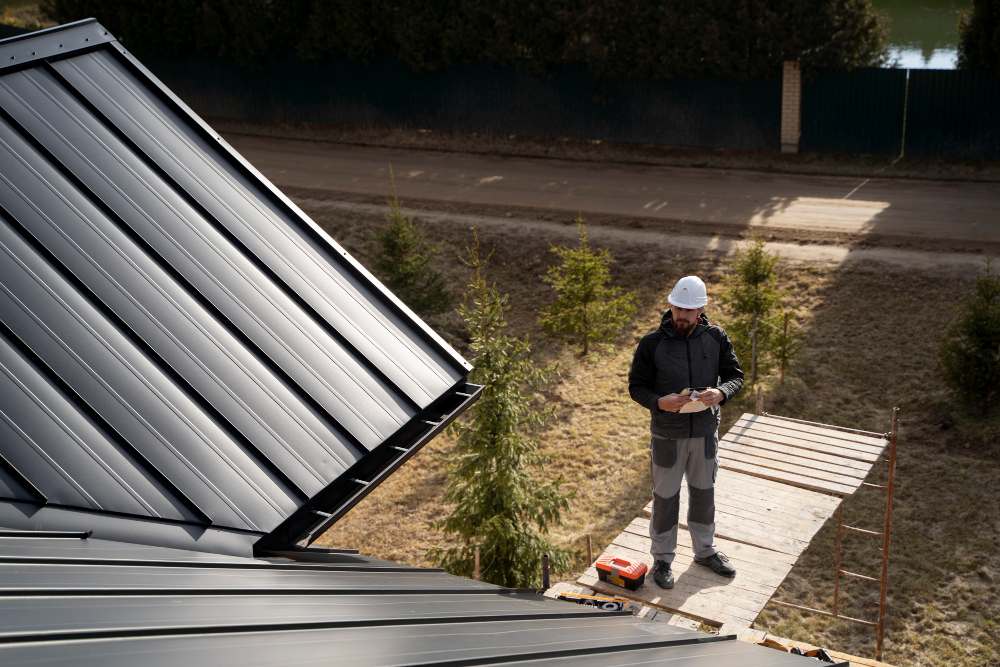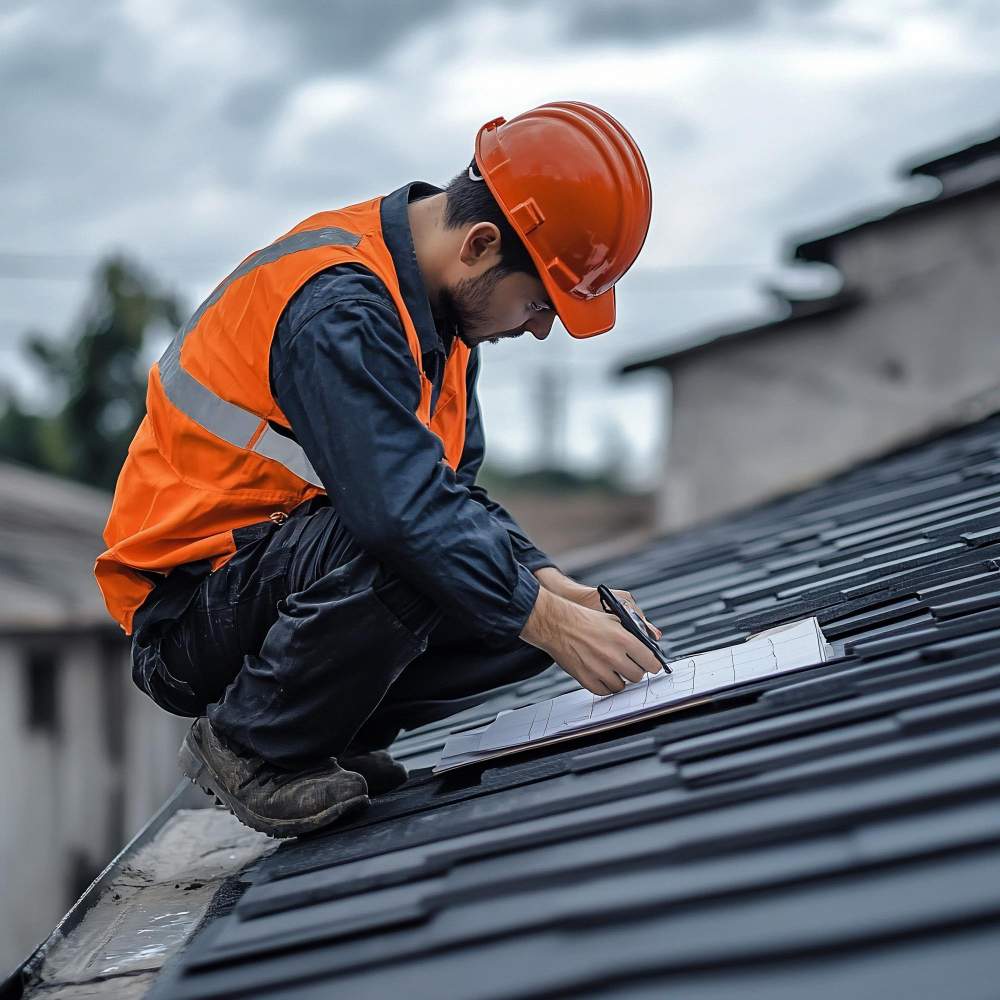
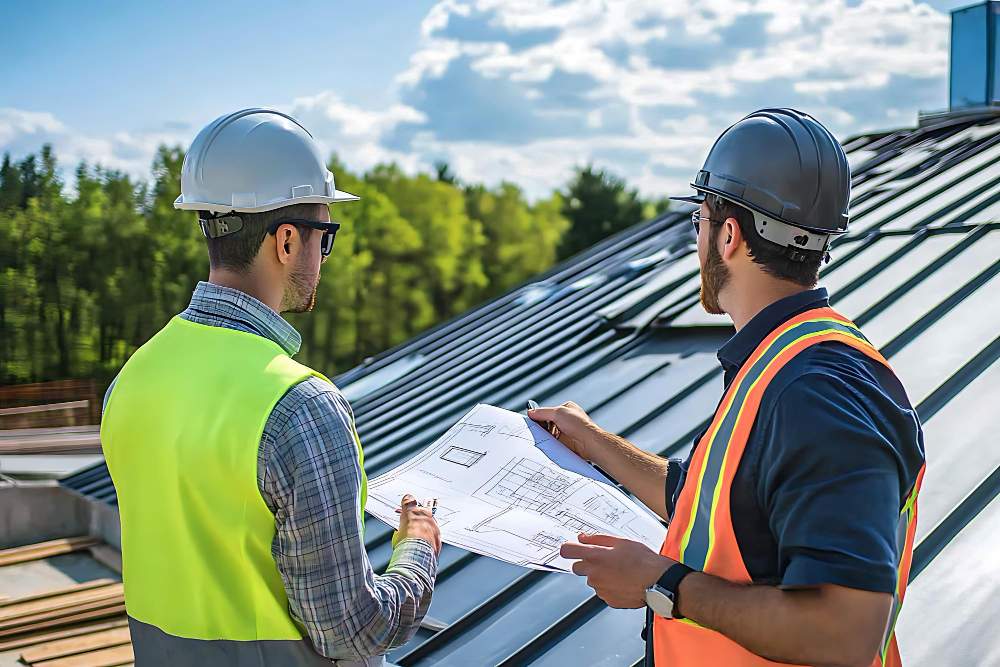
A roof inspection includes checking the roof surface, flashing, gutters, ventilation system, structural condition, attic space, roof penetrations, and moisture or leak detection to identify damage, wear, and potential issues for proper maintenance and safety.
A roof is one of the most important parts of any property, yet it is often the most overlooked. Whether you own a home, commercial building, or rental property, understanding what is included in a roof inspection can help you protect your investment and avoid expensive repairs.
A professional roof inspection is more than just a quick look at shingles. It is a detailed evaluation of the entire roofing system, designed to identify existing damage, prevent future problems, and ensure the roof is performing as it should.
In this in-depth guide, we’ll break down everything that is included in a roof inspection, why it matters, and what you can expect when hiring professional Roof Inspection Services.
A roof inspection is a comprehensive assessment performed by a trained professional to evaluate the condition of a roof. The goal is to detect damage, wear, leaks, and structural issues before they become major problems.
During an inspection, professionals examine both the exterior and interior components of the roofing system, depending on the property type and condition.
A proper inspection ensures your roof remains safe, durable, and efficient.
A standard roof inspection includes a detailed evaluation of multiple components. Below is a complete breakdown of what professionals typically check.
The first and most visible part of the inspection is the roof surface. Inspectors carefully examine:
This step helps identify visible damage that could lead to leaks or structural issues.
Flashing is the material installed around roof joints, chimneys, skylights, and vents. Inspectors check for:
Proper flashing is essential for preventing water leaks.
Water drainage plays a major role in roof health. During a roof inspection, professionals examine:
Poor drainage can lead to serious water damage over time.
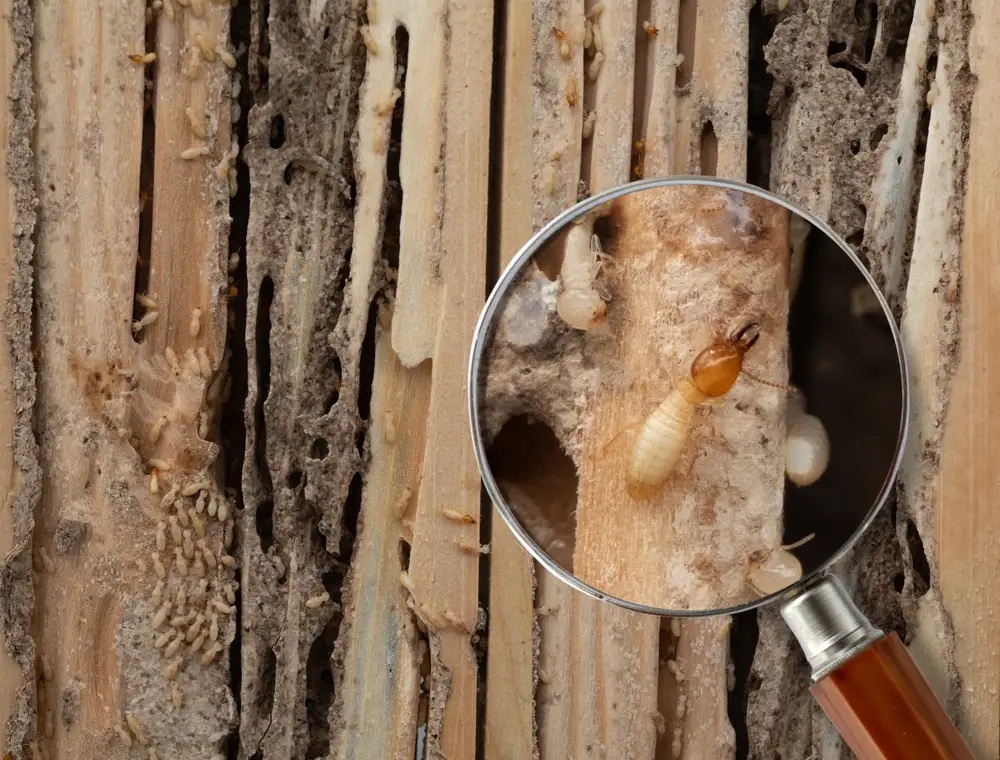
Inspectors assess the structural integrity of the roof by checking for:
This helps ensure the roof is still safe and stable.
Proper ventilation prevents moisture buildup and heat damage. Inspectors look for:
Good ventilation extends roof lifespan and improves energy efficiency.
In many cases, inspectors will check the interior of the property, especially the attic. They look for:
Interior signs often reveal hidden roof problems.
Roof penetrations include chimneys, skylights, pipes, and vents. Inspectors ensure:
These are common leak-prone areas.
For metal and flat roofs, inspectors also examine:
These components are critical for roof stability.
Advanced Roof Inspection Services often use tools such as infrared scanners to detect hidden moisture. This helps identify:
This step is crucial for preventing major damage.
Inspectors also check for:
Debris can trap moisture and damage roofing materials over time.
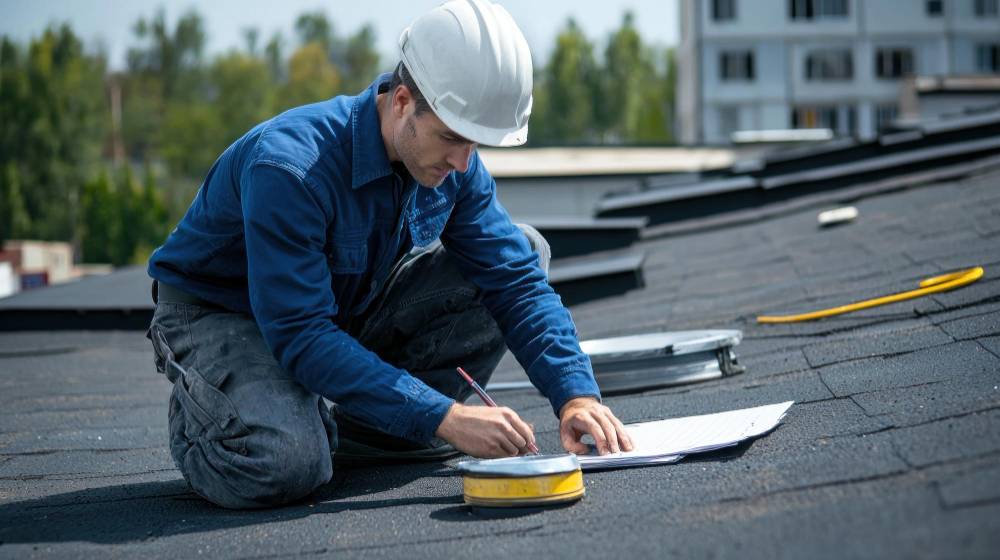
Different situations require different types of inspections.
This is a basic inspection done annually or biannually to ensure everything is in good condition.
Done before buying a property to identify hidden roofing issues.
After heavy rain, wind, or hail, inspectors check for storm-related damage.
Insurance companies may require inspections to assess risk and coverage eligibility.
In some cases, advanced inspections are needed, such as those involving drone technology or thermal imaging. This is often included in professional roof inspection services in Clearwater, FL and similar regions.
Roof inspections are not just routine checks; they are essential for protecting your property.
Here’s why they matter:
Ignoring inspections can lead to serious structural damage and expensive repairs.
Experts recommend:
Regular inspections ensure your roof stays in top condition year-round.
After the inspection, you typically receive a detailed report that includes:
This report helps property owners make informed decisions.
Forscher Property Inspections ensures that reports are clear, detailed, and easy to understand.
Some of the most common problems include:
Early detection of these issues can save thousands of dollars.
You can make the process smoother by:
Preparation helps speed up the inspection process.
A roof inspection is a detailed process that covers everything from shingles and flashing to ventilation and structural integrity. It is designed to identify both visible and hidden issues that could affect your property’s safety and value.
Understanding what is included in a roof inspection helps you appreciate its importance and ensures you are fully informed when hiring Roof Inspection Services.
Regular inspections are a small investment that can prevent major repair costs in the future and keep your property safe and secure.
A roof inspection covers shingles, flashing, gutters, ventilation, structural integrity, and leak detection to ensure overall roof health.
Yes, most inspections include an attic check for water damage, mold, insulation issues, and hidden leaks.
A roof inspection is highly detailed, covering both external and internal components of the roofing system.
Yes, professional inspectors use tools like thermal imaging to detect hidden moisture and leaks.
Yes, it helps prevent costly repairs, extends roof life, and ensures property safety and value protection.