A 4 point home inspection is a focused evaluation of four major systems: roof, electrical, plumbing, and HVAC. Insurance companies require it for older homes to assess safety, condition, and risk before issuing coverage. It typically costs $100 to $250 and does not replace a full home inspection.
If you are purchasing an older home, or in some cases even a newer home, or renewing your homeowners’ insurance policy, you may be asked to complete a 4 point home inspection. Many homeowners are unfamiliar with this specific type of inspection and wonder how it differs from a full home inspection.
So, what is a 4 point home inspection? In simple terms, it is a focused evaluation of four major systems in a home: the roof, electrical, plumbing, and HVAC.
In this comprehensive guide, you will learn exactly what a 4 point home inspection includes, why insurers require it, how much it costs, how it differs from a standard inspection, and what to expect during the process.
A 4 point home inspection is not designed to provide a full overview of a property’s condition. Instead, it focuses solely on four key systems that pose the greatest risk to insurance claims.
Insurance companies use this inspection to determine:
Because older homes are more likely to have outdated components, insurers use the 4 point inspection to protect themselves from high-risk policies.
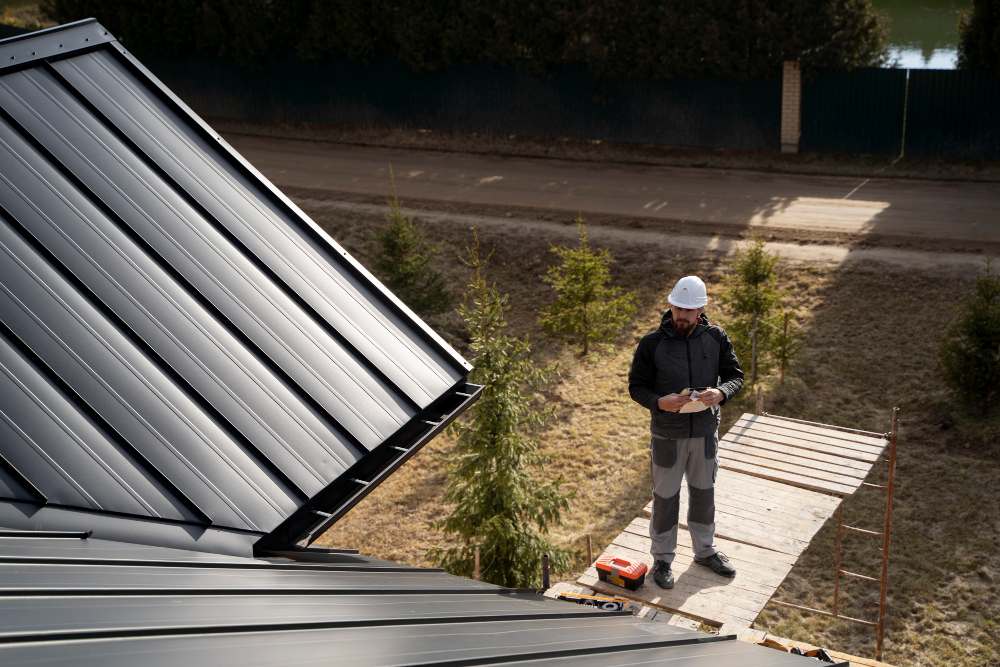
The roof is inspected for:
Insurance providers want to know whether the roof is likely to fail soon, which could lead to costly water damage claims.
The electrical system is evaluated for:
Older electrical systems can increase the risk of fire. Some insurance companies refuse coverage if outdated panels or unsafe wiring are present.
The plumbing inspection includes:
Insurance companies are particularly concerned about older galvanized pipes, which are prone to leaks and water damage.
Heating, ventilation, and air conditioning systems are assessed for:
An aging HVAC system may not directly lead to an insurance denial, but insurers want confirmation that it is safe and functional.
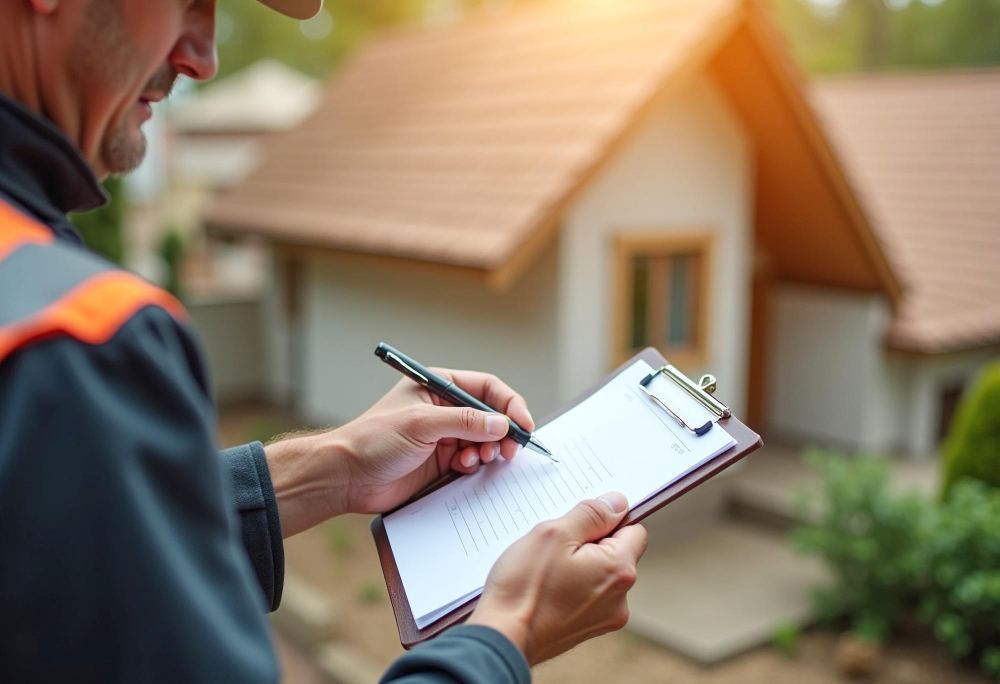
Many buyers confuse a 4 point home inspection with a standard home inspection. However, they serve different purposes.
A standard home inspection evaluates the entire property, including:
A 4 point inspection is limited strictly to the four major systems. It does not provide a full property assessment.
If you are buying a home, you should still schedule a full inspection, even if your insurer requires a 4 point inspection.
Insurance providers request 4 point inspections primarily for older homes. As homes age, major systems may become outdated or deteriorated.
Insurance companies use this inspection to:
If a system is found to be unsafe or near failure, the insurer may require repairs before issuing coverage.
The average cost of a 4 point home inspection ranges from $100 to $250, depending on location and property size.
Pricing may vary based on:
Some inspection companies offer discounts when bundling a 4 point inspection with a wind mitigation inspection.
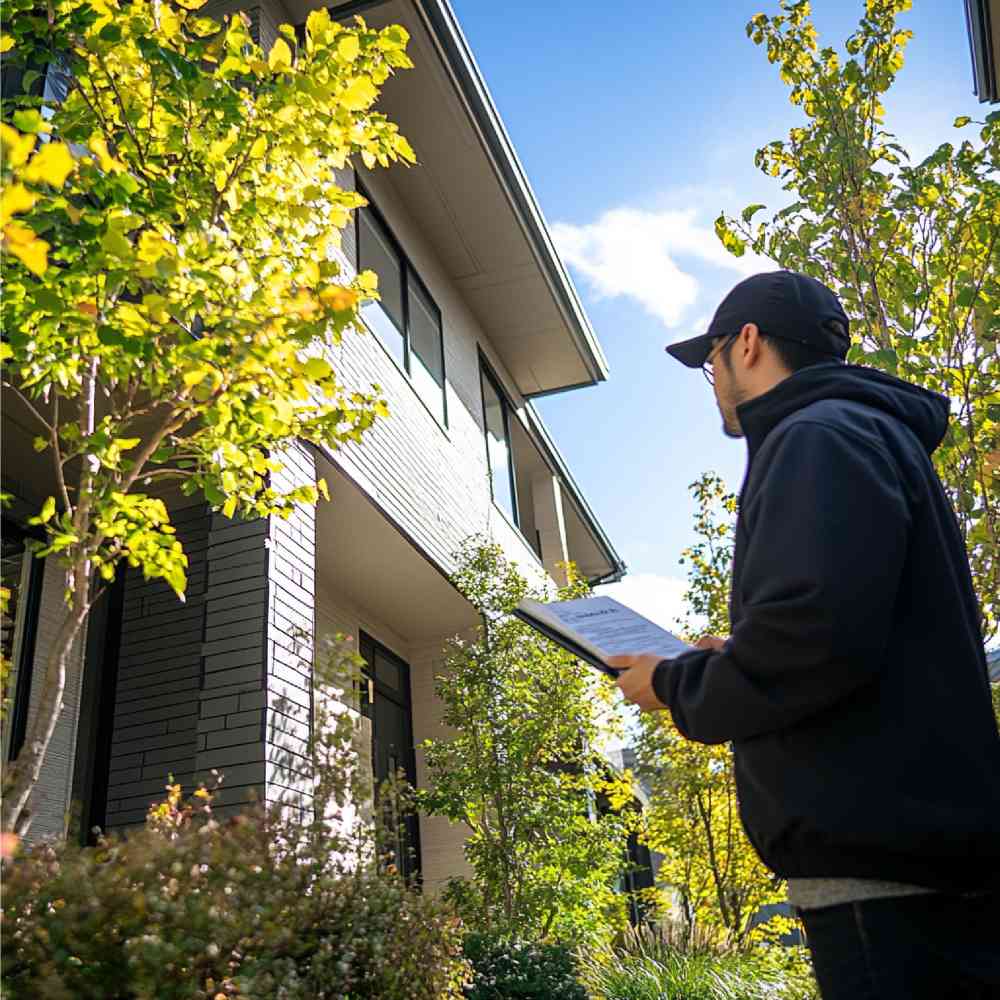
A typical 4 point home inspection takes between 30 minutes and 1 hour. Because it focuses only on four systems, it is much faster than a full inspection.
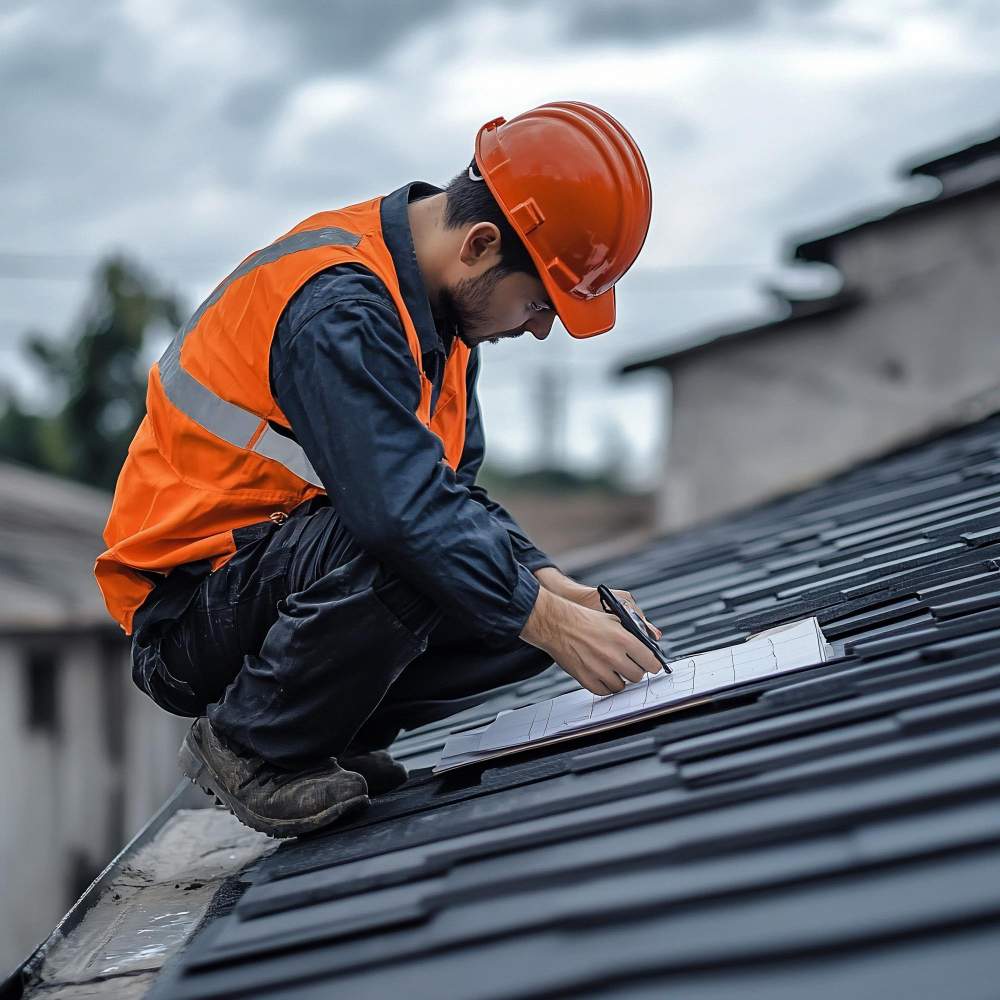
Inspectors will:
The report is then submitted to your insurance company.
If significant problems are identified, your insurance company may:
For example, if the roof is near the end of its lifespan, you may need to replace it before the insurer approves your policy.
You may need a 4 point inspection if:
Not all homes require this inspection. Newer homes are typically exempt.
Addressing these issues early can improve your chances of securing affordable coverage.
To ensure a smooth process:
Preparation can help prevent unnecessary complications.
Technically, there is no “pass” or “fail.” However, your insurance company may decline coverage if major issues are present.
It is best to resolve known problems before scheduling the inspection.
Most insurance companies accept reports completed within the past 12 months. However, policies vary by provider.
Always confirm with your insurance company before scheduling.
Even though it is primarily for insurance purposes, a 4 point inspection benefits homeowners by:
Professional companies such as Forscher Property Inspections ensure accurate evaluations and detailed reporting that meet insurance standards.
In some states, especially hurricane-prone areas, insurers may also request a wind mitigation inspection.
A wind mitigation inspection focuses on:
This inspection can reduce insurance premiums.
When selecting an inspector:
Choosing an experienced inspector ensures accurate documentation and smooth insurance processing.
A 4 point home inspection is a focused evaluation of a home’s roof, electrical, plumbing, and HVAC systems. Insurance companies commonly require older homes to be assessed for risk before issuing coverage.
While it does not replace a full home inspection, it plays a critical role in securing homeowners’ insurance. The process is affordable, fast, and essential for older properties.
If you own or are purchasing a home built more than 20 years ago, understanding this inspection can help you prepare for insurance requirements and avoid delays.
It includes an evaluation of the roof, electrical, plumbing, and HVAC systems to determine their age, condition, and safety.
The average cost ranges from $100 to $250, depending on the location and the inspector's experience.
No, it is typically required for homes over 20 to 30 years old when applying for or renewing homeowners' insurance.
Some insurers may waive the requirement for newer homes, but older properties usually require it before policy approval.
Most inspections take 30 to 60 minutes, with the report typically delivered within 24 hours.