
A home inspection typically costs $300 to $600 for most homes, depending on size, location, and property age. Larger or older homes may cost more. Additional services like radon, mold, or sewer inspections increase the total price. A professional inspection helps identify hidden issues before closing.
If you are buying or selling a home, one of the most important steps in the process is scheduling a professional inspection. Naturally, many homeowners and buyers ask the same question: how much does a home inspection cost? While pricing varies based on several factors, understanding average costs and the factors that influence them can help you budget wisely and avoid surprises.
A home inspection is a detailed evaluation of a property’s condition. It provides critical insight into the structural integrity, safety systems, and major components of a house. Whether you are purchasing your first home or listing a property for sale, knowing inspection costs and what you receive in return is essential.
In 2026, the average home inspection cost in the United States ranges from $300 to $600 for a standard single-family home. Most homeowners pay about $400.
However, pricing depends on several factors, including:
Smaller homes under 1,500 square feet may cost between $250 and $350, while larger homes over 3,000 square feet may cost between $500 and $800 or more.
There is no flat rate for inspections because every property is unique. Here are the primary factors that influence pricing.
Larger homes take more time to inspect. Inspectors examine roofing, plumbing, electrical, HVAC, and foundation systems, as well as attics and more. The bigger the home, the longer the process.
Older homes often require more detailed evaluation. Properties built decades ago may have outdated electrical systems, aging plumbing, or structural wear that requires additional time to assess.
Inspection costs vary by state and city. Urban areas often have higher pricing due to increased demand and higher operating costs.
Condominiums typically cost less to inspect than detached homes because inspectors evaluate fewer exterior components. Multi-family homes, duplexes, and luxury properties cost more due to complexity.
Standard home inspections do not always include specialized testing. Additional services increase the total cost.
Understanding what you receive for your money is crucial. A standard home inspection typically covers:
Inspectors provide a detailed written report outlining findings, safety concerns, and recommended repairs.
Many buyers choose add-on inspections for greater peace of mind. These services are typically priced separately.
Radon testing usually costs between $100 and $200.
Mold testing ranges from $250 to $600, depending on sample size.
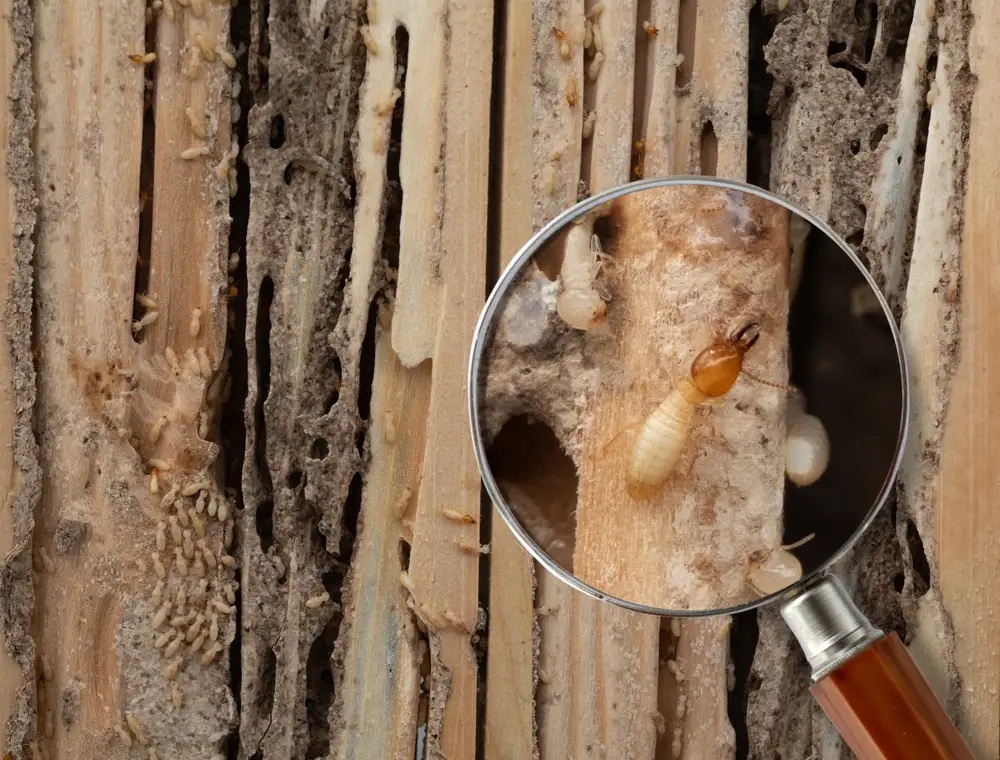
A termite inspection costs approximately $75 to $150.
Sewer scope inspections range from $150 to $300.
If the property includes a pool, inspection may cost an additional $100 to $200.
Septic inspections often range from $300 to $600.
These additional services can significantly impact total inspection costs but may uncover hidden issues.
In most real estate transactions, the buyer pays for the home inspection. This allows the buyer to choose a trusted inspector and receive an unbiased report.
However, sellers sometimes order pre-listing inspections to identify issues before putting their home on the market.
Absolutely. While $300 to $600 may seem like an added expense, it can save thousands of dollars in future repairs.
A professional inspection can reveal:
Identifying these issues before closing gives buyers leverage in negotiations or the option to walk away from the purchase.
Most inspections take between 2 and 4 hours, depending on home size and condition. Larger or older homes may take longer.
After completion, the inspector typically provides a detailed report within 24 to 48 hours.
Once the inspection report is delivered:
A thorough inspection often becomes a powerful negotiation tool.
The inspection itself does not directly affect value. However, discovered issues may influence negotiations and final sale price.
For sellers, addressing inspection findings can improve buyer confidence and help the home sell faster.
Price should not be the only factor when choosing an inspector. Consider:
Working with reputable companies like Forscher Property Inspections ensures detailed evaluations and professional reporting.
While inspections are an important investment, here are ways to manage costs:
However, avoid choosing the cheapest inspector if it compromises quality.
Some buyers confuse inspections with appraisals. These are separate services.
Appraisals typically cost $400 to $700.
Extremely low-priced inspections may indicate limited experience or rushed evaluations. A rushed inspection could miss costly problems.
Quality inspections require time, skill, and proper tools.
If the inspection uncovers serious concerns:
This flexibility protects buyers from unexpected financial burdens.
High-end properties often cost $800 to $1,500 for inspections due to their size, advanced systems, and specialty features such as smart home technology.
No. Even newly built homes should be inspected. Construction defects, improper installations, and overlooked safety issues can occur in new builds.
A new construction inspection often costs $300 to $500.
Beyond real estate transactions, homeowners may consider inspections every few years to plan maintenance.
Preventive inspections can identify early signs of wear before major repairs are needed.
So, how much does a home inspection cost? For most homes, expect to pay between $300 and $600. While the cost varies based on size, location, and additional services, the value it provides is undeniable.
A professional home inspection offers peace of mind, leverage in negotiations, and financial protection, whether buying, selling, or maintaining your property. Investing in a qualified inspection is one of the smartest decisions you can make in real estate.
For a 2,000-square-foot home, the average inspection cost ranges from $350 to $500, depending on location and property age.
While buyers usually pay, sellers may order a pre-listing inspection to identify and fix issues before listing their property.
Home inspections are not legally required in most states, but they are strongly recommended to protect buyers from hidden problems.
Standard inspections typically exclude specialized testing such as mold, radon, sewer scope, and pest inspections unless added as separate services.
Homes do not technically “fail” inspections. The report identifies issues, and buyers decide how to proceed with negotiations or repairs.