A professional plumbing inspection typically costs between $100 and $500, depending on property size, inspection scope, and specialized services. Comprehensive inspections with sewer camera or advanced diagnostics may cost more.
A plumbing inspection is an essential step for homeowners, buyers, or property managers looking to ensure the plumbing system is functioning correctly and to avoid costly repairs in the future. Whether you are buying a new home, selling your property, or simply maintaining your current residence, a plumbing inspection can identify hidden issues before they become major problems. One of the most common questions is: How much does a plumbing inspection cost? The answer depends on several factors, including the property’s size, the type of inspection, and the location. In this comprehensive guide, we will break down costs, what is included in a plumbing inspection, and tips to maximize its value.
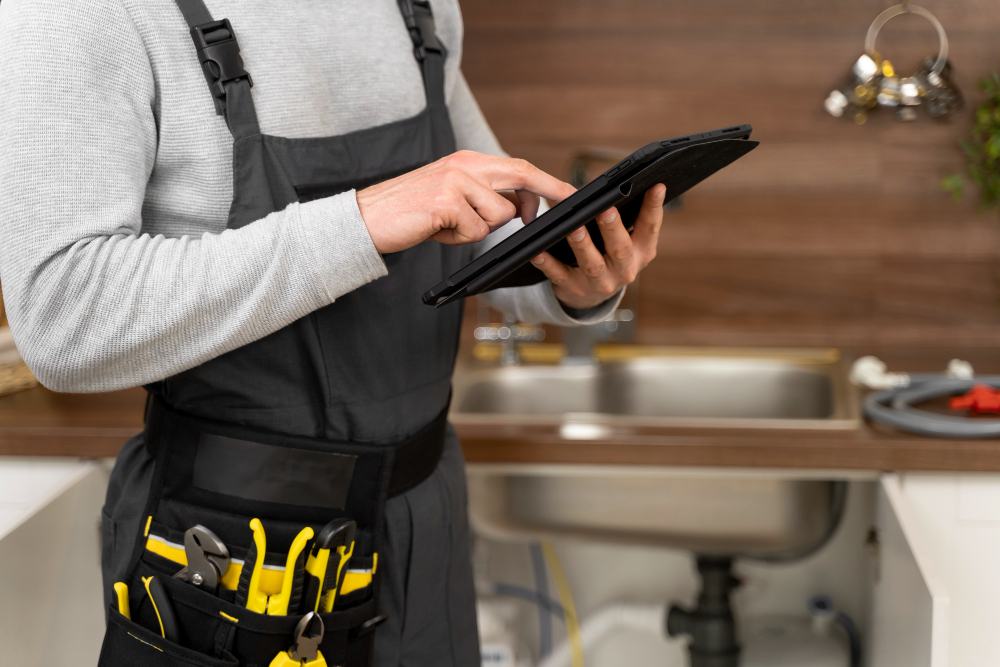
A plumbing inspection is a detailed examination of a home’s plumbing system. Inspectors check the condition of pipes, fixtures, water heaters, drains, and sewer lines to ensure everything is in proper working order. This process can identify leaks, corrosion, water pressure issues, or faulty installations that could lead to costly repairs if left untreated.
Plumbing inspections are especially important for older homes, as aging pipes and outdated systems can lead to hidden problems. For buyers, inspections provide peace of mind that the property’s plumbing is in good condition. For homeowners, they can help schedule preventative maintenance and avoid emergencies.
The cost of a plumbing inspection varies depending on several factors. On average, homeowners in the United States can expect to pay between $100 and $500. However, this range can extend higher depending on the complexity and scope of the inspection.
Here’s a general breakdown of typical plumbing inspection costs:
High-end inspections or inspections for large properties may cost more due to additional labor and specialized equipment.
Several key factors influence the final cost of a plumbing inspection. Understanding these can help you budget accurately and choose the right inspection service.
Larger homes or properties with multiple bathrooms require more time to inspect, increasing labor costs. Older homes may have outdated plumbing systems that require additional checks, which also raises the price.
The type of plumbing inspection significantly affects cost. Basic inspections cover visible pipes, fixtures, and water pressure, while comprehensive inspections may include:
Advanced inspections typically cost more but provide a more thorough assessment.
Labor costs and inspection fees vary by region. Urban areas with higher living costs tend to have higher inspection rates than rural areas.
Some inspections use specialized tools such as video cameras for sewer line inspections or thermal imaging cameras for leak detection. These tools increase inspection accuracy but can raise costs.
The purpose also matters. A pre-purchase inspection for a real estate transaction may include a detailed report and repair recommendations, which can cost more than a simple maintenance inspection.
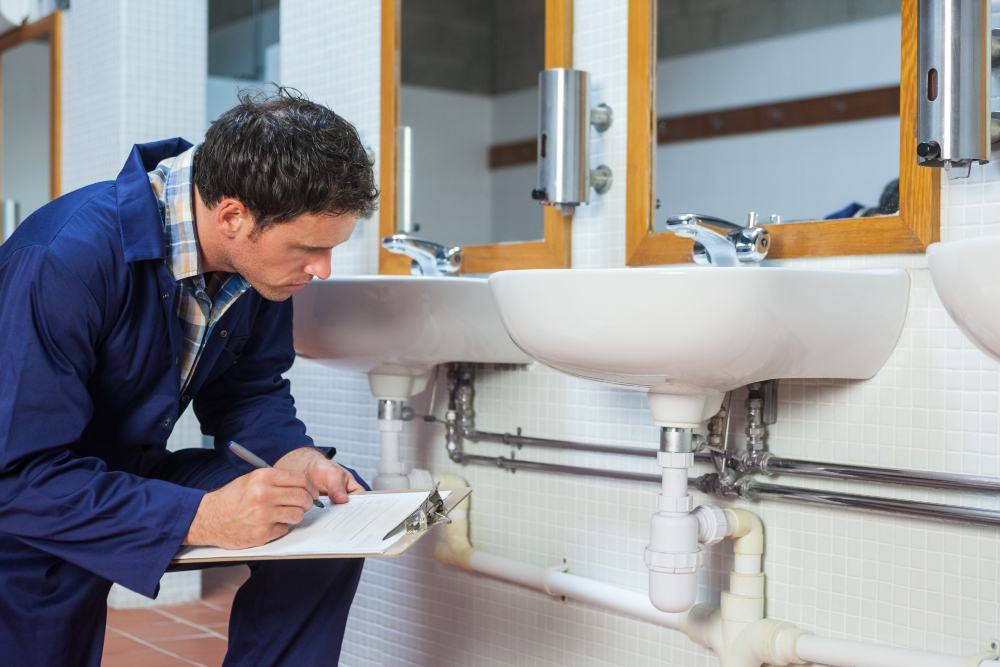
A typical plumbing inspection involves several key components:
Forscher Property Inspections, offer detailed reports that outline the condition of the plumbing system, potential problems, and recommended repairs.
Sewer line inspections often require video cameras to detect clogs, tree root intrusions, or damaged pipes. These inspections are more expensive but crucial for older properties or homes with known drainage issues.
Other specialized inspections may include water-quality tests, plumbing pressure tests, and inspections of irrigation systems for large properties.
While homeowners can perform some minor plumbing checks, professional inspections provide a comprehensive assessment that is far more reliable. Certified inspectors have the expertise and equipment to identify hidden problems that an untrained eye might miss.
Hiring a professional ensures:
There are a few ways to reduce the cost of a plumbing inspection without compromising quality:
Investing in a quality inspection is generally more cost-effective than dealing with major plumbing failures later.
A professional plumbing inspection offers several advantages:
So, how much does a plumbing inspection cost? The cost typically ranges from $100 to $500, with variations depending on property size, inspection scope, and location. While the price may seem high for some, the value of preventing major plumbing issues and ensuring a safe, functional system far outweighs the expense.
Working with a reputable company such as Forscher Property Inspections guarantees a professional evaluation, accurate reporting, and advice on necessary repairs or maintenance. A plumbing inspection is an investment in your home’s safety, functionality, and long-term value.
It's recommended to have a plumbing inspection every 2–3 years or before buying a property.
Inspections cover pipes, fixtures, water heaters, drains, sewer lines, and overall system performance.
Not always. Sewer line inspections may require specialized video cameras and are usually an additional service.
Yes, professional inspectors use tools such as moisture meters, thermal cameras, and pressure tests to detect hidden leaks.
Absolutely. Early detection of issues prevents costly repairs, ensures safety, and provides peace of mind.