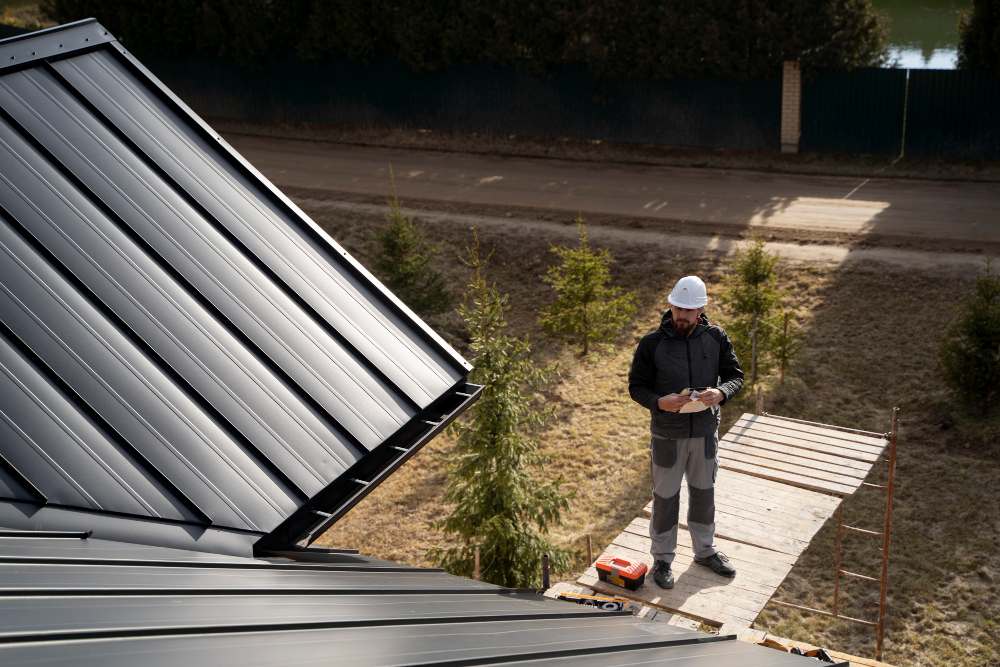
A professional termite inspection typically costs about $75 to $325 in the US, with many standard residential inspections costing around $100. The exact termite inspection cost depends on your home’s size, location, accessibility, inspection type, and whether an official termite or WDO report is required. Some pest-control companies may also offer a free inspection when treatment services are being considered.
Termites are easy to overlook because much of their activity can happen behind walls, beneath floors, around foundations, or inside wooden structural components. By the time obvious damage appears, a colony may have been active for some time.
That makes a professional termite inspection particularly useful when buying a house, noticing suspicious wood damage, or maintaining a property in an area where termites are common.
But how much is a termite inspection, what does the price actually include, and when might you pay extra? This guide breaks down the costs and explains what homeowners and buyers should expect.
As of 2026, professional termite inspections generally cost between $75 and $325, according to current national pricing data. HomeAdvisor reports an average cost of roughly $100, while Angi also places typical professional inspections within the $75–$325 range.
Your actual quote could therefore look something like:
These figures are general US averages rather than guaranteed prices. Local labor costs, property conditions, and the purpose of the inspection can substantially change the total.
A professional termite inspection is much more than looking around for insects.
Termites often remain concealed, so an inspector generally looks for both active termite activity and evidence that termites may have previously affected the property.
Depending on the property and inspection scope, accessible areas commonly examined may include:
Inspectors may also look for conditions that make termite activity more likely, particularly moisture and wood-to-ground contact.
The EPA notes that termites can remain hidden in soil, mud tubes, and the materials they are feeding on, which is one reason professional evaluation can be valuable.
A termite inspector is looking for more than live termites walking around the property.
Common indicators include:
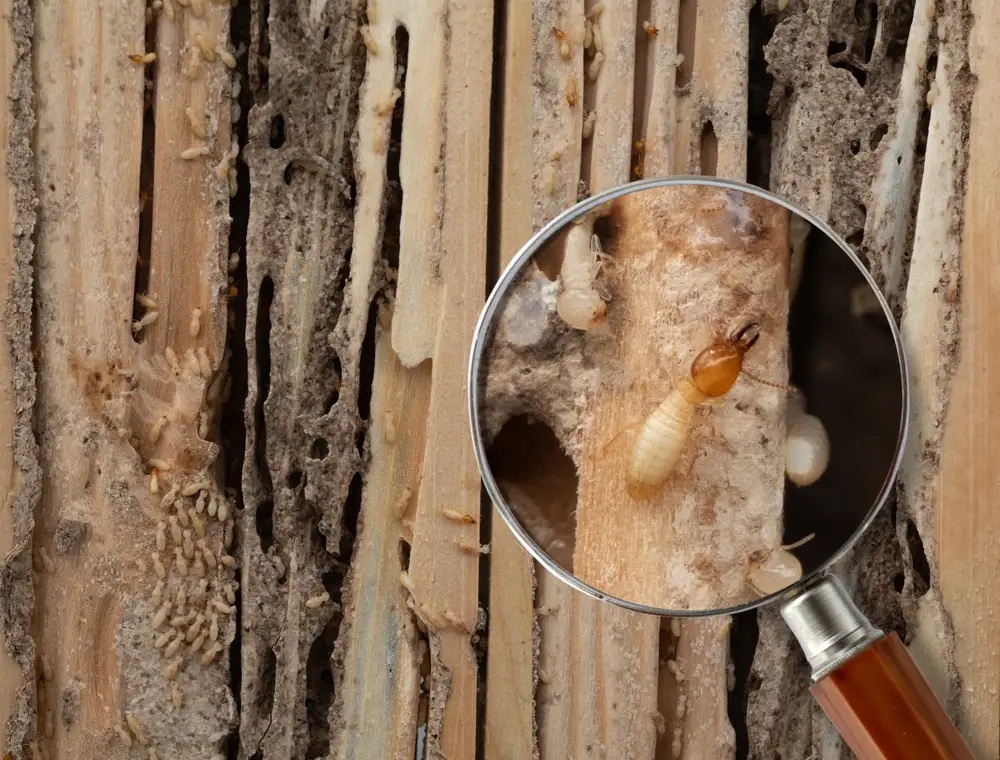
Subterranean termites can build narrow mud tubes that allow them to move between the soil and a food source.
These may appear along foundations, crawl-space walls, concrete, wooden supports, or other structural components.
Reproductive termites, known as swarmers, may leave discarded wings around:
A collection of similar-sized wings inside a property can justify further investigation.
Termites feed on cellulose-containing materials, including wood.
Inspectors may examine wooden areas for signs of internal damage, galleries, or unusual deterioration.
Actual termite activity obviously matters, although the absence of visible insects does not automatically mean a home is termite-free because colonies often remain concealed.
Leaks, poor drainage, damp crawl spaces, and excess moisture can create conditions favorable to certain termite species and other wood-destroying organisms.
You may receive a $90 quote from one inspector and a $250 quote from another.
That does not necessarily mean one is overpriced.
Several factors affect the final cost of a termite inspection.
A small single-story home can usually be inspected more quickly than a large multi-level property.
Larger homes have more:
Current 2026 pricing guides identify property size as one of the main factors affecting inspection cost.
A straightforward property with accessible foundations, attic areas, and crawl spaces may take less time to inspect.
Costs can rise when important areas are difficult to access.
Examples include:
A homeowner requesting a routine termite check may need a different service from somebody purchasing or selling a property.
Real estate transactions may require specific documentation, reports, or lender-related paperwork.
Angi specifically identifies inspection purpose—including home-sale inspections and other evaluation types—as a factor affecting cost.
Termite species and infestation pressure vary significantly across the United States.
Labor and business costs also differ between regions.
Your ZIP code can therefore affect the quote even for properties of a similar size.
If suspicious damage is found, the inspection may become more involved.
The inspector may need to evaluate additional accessible areas to understand where termite activity is occurring and what additional action should be considered.
Yes, sometimes.
Certain pest-control companies offer free termite inspections, especially when homeowners suspect an infestation and may require treatment afterward.
However, a free treatment estimate should not automatically be assumed to be equivalent to a formal real-estate wood-destroying insect inspection report.
If you need an inspection for a home purchase, lender, insurance matter, or another formal purpose, ask whether the service includes the documentation you require.
A free inspection that simply determines whether a pest company recommends treatment may serve a different purpose from a paid inspection report.
Termite inspections during real estate transactions commonly fall within the same general $75–$325 range, although the total depends on the required inspection and documentation.
HomeAdvisor estimates that when pest or termite inspection is bundled into a broader home-inspection package, the combined inspection package may fall around $250 to $400, depending on what is included.
For buyers, an inspection may be particularly worthwhile because termite damage can be hidden.
A property can have:
and still have termite activity in less obvious areas.
The cosmetic condition of the house does not tell you what is happening inside structural wood.
When buying property, you may hear the term WDO inspection instead of termite inspection.
WDO stands for wood-destroying organism.
Depending on the report and jurisdiction, an inspection may look for evidence of termites as well as other organisms capable of damaging wooden building components.
HUD currently lists the NPMA-33 Wood Destroying Insect Inspection Report among its recognized pest-related forms.
Therefore, when your lender or real estate professional asks for a WDO or WDI inspection, do not simply order a general pest inspection and assume it satisfies the requirement.
Ask exactly which report or form is needed.
A termite letter or clearance report can cost around $100 to $200, according to current national pricing estimates.
This type of documentation may be required as part of certain real estate transactions.
It generally documents the findings of a professional wood-destroying insect inspection rather than merely providing a verbal assessment.
Requirements vary according to:
Always check what documentation your specific transaction requires before booking the inspection.
Wood-destroying insect requirements for VA-backed home loans vary geographically.
Current VA guidance lists numerous states and territories where wood-destroying insect information is required statewide, while several other states have requirements only in specified counties. If a state is not on the VA’s list, an inspection may still become necessary when a specific issue is identified in the appraisal.
The VA also makes an important distinction between an appraisal and a home inspection. It strongly recommends that buyers obtain a home inspection because the VA appraisal is not a substitute for one.
If you are using VA financing, check the current property-specific requirement with your lender rather than relying on a general rule found online.
FHA-related termite inspection requirements can depend on evidence of infestation, state or local requirements, customary local practices, or lender requirements.
HUD guidance indicates that further wood-destroying insect inspection can be required where there is evidence such as decay, pest infestation, or suspicious damage, or when state/local requirements or lender conditions apply.
For homebuyers, the simplest approach is to confirm inspection requirements directly with the lender before closing.
The time needed depends on property size, layout, accessibility, and what the inspector discovers.
A relatively small, easily accessible home will usually require less inspection time than a larger property with crawl spaces, several structures, or suspicious areas requiring closer examination.
Rather than focusing only on speed, homeowners should make sure the inspector has reasonable access to important areas.
Before the appointment, clear access where practical around:
Better access can help the inspector evaluate more of the property.
For many homeowners and buyers, spending roughly $75–$325 to investigate possible termite activity can be sensible compared with discovering structural damage after an infestation has progressed.
The EPA reports that termites cause billions of dollars in structural damage annually in the United States, while property owners collectively spend more than $2 billion treating them.
A termite inspection may be especially worthwhile when:
For homebuyers who want a broader understanding of the property’s condition alongside pest-related concerns, Forscher Property Inspections can help identify issues that deserve attention before making a major purchasing decision.
The inspection fee is separate from treatment.
Current HomeAdvisor data places average professional termite treatment at about $621, with many treatments falling between approximately $263 and $1,033. More extensive situations can cost substantially more depending on the termite species, infestation size, treatment method, and property.
Angi’s 2026 pricing data gives a broader treatment range of approximately $75 to $1,750, again reflecting the large variation between treatment methods and infestation severity.
Possible treatments may include:
The EPA recommends selecting a properly licensed pest-management company and notes that termite treatments involve pesticides that must be used according to their approved labels.
Homeowners should not automatically assume an insurance policy will pay for termite treatment or damage.
Coverage depends on the specific policy and circumstances, so homeowners should review their policy or speak directly with their insurer.
This makes prevention and early identification particularly important. Waiting until structural damage becomes obvious can turn a relatively small pest-control issue into a much larger property repair.
Inspection frequency depends partly on the home’s location, termite pressure, construction, history, and existing termite protection.
Current homeowner guidance commonly recommends considering annual inspections, particularly for homes in areas with higher termite activity or properties with previous termite problems.
Your pest professional may recommend a different schedule based on local conditions and any treatment or termite bond already in place.
A little preparation can make the inspection easier.
Make sure the inspector can safely reach the crawl-space entrance.
In garages, basements, and storage rooms, moving boxes away from walls can provide better access to structural areas.
Remove anything blocking the attic entrance.
Tell the inspector if:
Mention plumbing leaks, roof leaks, drainage problems, or recurring damp areas.
Information from the homeowner can help focus attention on higher-risk locations.
Before booking, ask:
This is particularly important during a real estate transaction because the cheapest inspection may not include the paperwork your lender or closing process requires.
So, how much is a termite inspection? In 2026, a professional termite inspection generally costs around $75 to $325, with a typical standard residential inspection averaging roughly $100 nationally.
The final amount depends on the size and accessibility of your property, the purpose of the inspection, your location, and whether you need specialized documentation such as a WDO report or termite clearance letter.
For homebuyers in particular, it is worth understanding exactly what type of inspection your lender and transaction require. A general pest check, formal WDO inspection, home inspection, and lender-required termite report are not always interchangeable.
Considering that termites can remain hidden and cause substantial structural damage, a relatively modest inspection fee can provide valuable information before you commit to treatment, repairs, or purchasing a property.