A plumbing camera inspection typically costs between $250 and $600, depending on property size, plumbing complexity, and additional services. Advanced inspections using high-definition cameras or sewer line diagnostics may cost more.
Plumbing problems are some of the most stressful and expensive issues homeowners face. Hidden leaks, blockages, or damaged sewer lines can cause extensive damage if left undetected. One of the most effective ways to diagnose these issues is through a plumbing camera inspection. This advanced technique uses specialized cameras to visually inspect pipes, providing a clear view of blockages, cracks, or other problems without invasive digging or demolition.
If you’re considering this service, a common question arises: how much does a plumbing camera inspection cost? The answer depends on multiple factors, including property size, pipe complexity, and additional services. This detailed guide covers everything you need to know about plumbing camera inspections, including their costs, benefits, and tips for choosing a reputable inspection service.
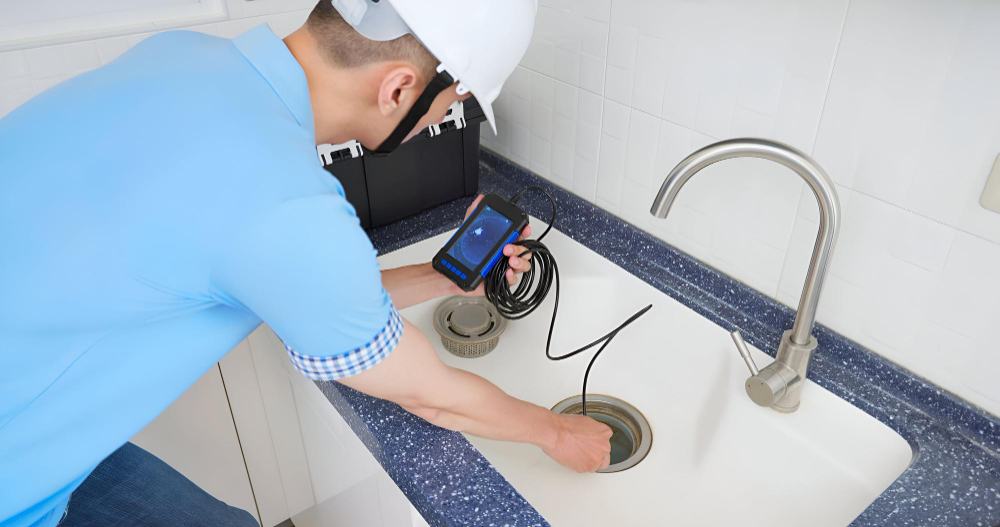
A plumbing camera inspection involves sending a small, waterproof video camera attached to a flexible cable into your plumbing system. The camera transmits real-time video to the technician, enabling them to inspect the interiors of pipes, drains, and sewer lines. This method is highly effective for identifying:
Unlike traditional inspection methods, plumbing camera inspections are non-invasive and provide accurate information without extensive disruption to your home.
The cost of a plumbing camera inspection varies depending on several factors. On average, homeowners in the United States can expect to pay between $250 and $600 for standard residential inspections.
Here’s a general cost breakdown:
Commercial properties, larger homes, or properties with complex plumbing layouts may cost more due to the extended time and specialized equipment required.
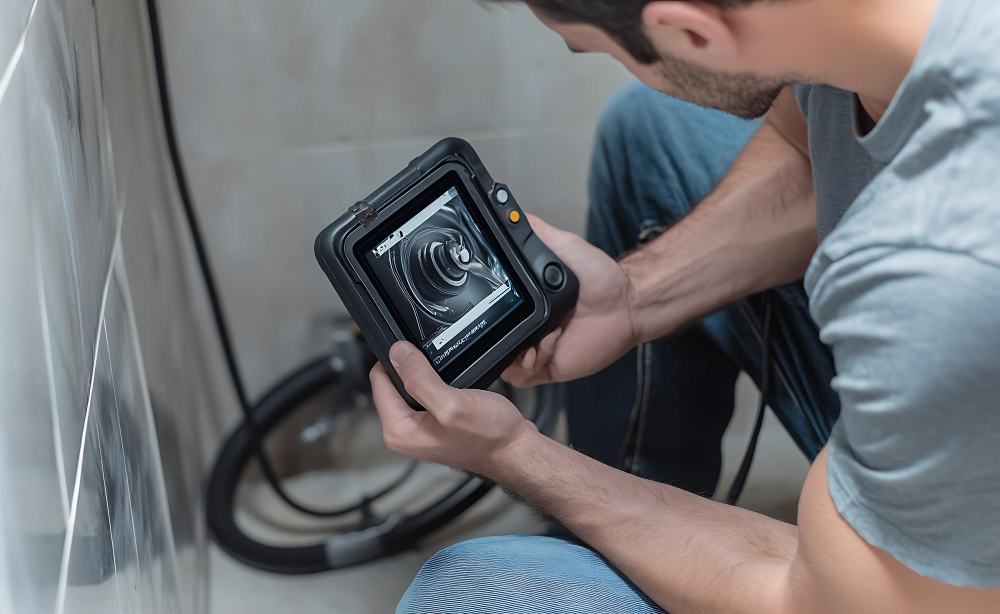
Several key factors influence the cost of a plumbing camera inspection.
Larger homes or buildings with extensive plumbing systems require more time for the inspection, increasing labor costs. Older properties may also have complicated or outdated piping, requiring additional expertise.
The depth and scope of the inspection significantly affect pricing. A simple inspection of accessible bathroom and kitchen lines is cheaper than a full inspection of the main sewer line, outdoor drains, or multiple bathrooms.
Some plumbing inspections use high-definition cameras with advanced features such as:
These features improve accuracy but increase the overall cost.
Labor rates vary by region, and inspections in urban areas often cost more than those in rural locations. Local demand and the cost of living can also influence pricing.
Some companies offer additional services alongside camera inspections, such as hydro jetting, minor pipe repair, or detailed written reports. These services add to the total cost but provide more comprehensive solutions.
Investing in a plumbing camera inspection offers several advantages:
Forscher Property Inspections offer professional camera inspection services, providing detailed reports and repair or maintenance recommendations.
Understanding the inspection process can help homeowners prepare and set expectations.
Schedule a plumbing camera inspection with a licensed and experienced company. Clear the area around access points such as sinks, toilets, or cleanout plugs.
Technicians insert the camera through a drain, cleanout, or other access point. Larger inspections may require multiple entry points for a complete overview.
The camera is fed through the pipes while transmitting real-time video to a monitor. Technicians look for blockages, leaks, corrosion, or structural issues.
After the inspection, the technician provides a detailed report. This often includes video footage, photographs, and a description of the problem, along with recommended solutions or repairs.
In some cases, minor repairs or cleaning may be performed immediately, depending on the issue and equipment available.
While small handheld camera systems are available for homeowners, professional inspections offer many advantages:
Professional inspections reduce the risk of misdiagnosis and provide peace of mind that problems are correctly identified.
There are ways to reduce costs without compromising quality:
A camera inspection can uncover a variety of plumbing problems that might not be visible otherwise:
Identifying these issues early allows homeowners to plan repairs efficiently and avoid emergencies.
So, how much does a plumbing camera inspection cost? Generally, prices range from $250 to $600, depending on the property’s size, the complexity of the plumbing system, and any additional services provided. While the price may seem high initially, the value of accurate diagnosis, prevention of major damage, and peace of mind far outweighs the expense.
Professional companies like Forscher Property Inspections ensure a thorough, high-quality camera inspection, providing homeowners with detailed documentation and expert recommendations. Investing in a plumbing camera inspection is an investment in your home’s safety, efficiency, and long-term value.
It includes visual inspection of pipes, drains, sewer lines, and identification of blockages, leaks, or damaged pipes.
Most inspections take 1–2 hours, depending on property size and the complexity of the plumbing system.
Yes, cameras can identify leaks behind walls, under floors, and in underground pipes.
Yes, it prevents costly repairs by accurately diagnosing issues early and providing detailed documentation.
Absolutely. It provides buyers and sellers with a clear assessment of the plumbing system's condition.