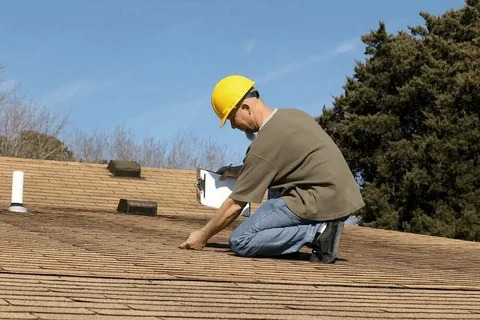
A roof inspection is a professional evaluation of a roof’s condition to check for leaks, damage, and structural issues. It helps prevent costly repairs and extends roof lifespan
A roof inspection is a detailed evaluation of the condition of a building’s roof. It helps identify damage, wear and tear, leaks, and potential problems before they turn into expensive repairs. Whether you own a home or are planning to buy one, a roof inspection is an important part of maintaining the overall health of the property.
Roofs are constantly exposed to weather conditions such as rain, snow, wind, sunlight, and storms. Over time, this exposure can weaken roofing materials and create hidden issues that are not always visible from the ground. A professional roof inspection helps detect these issues early and ensures the roof remains safe and functional.
A roof is one of the most important parts of any structure. It protects the home from water damage, heat, and external elements.
Regular inspections help:
Many homeowners only think about the roof when a problem becomes visible, but inspections help prevent emergencies.
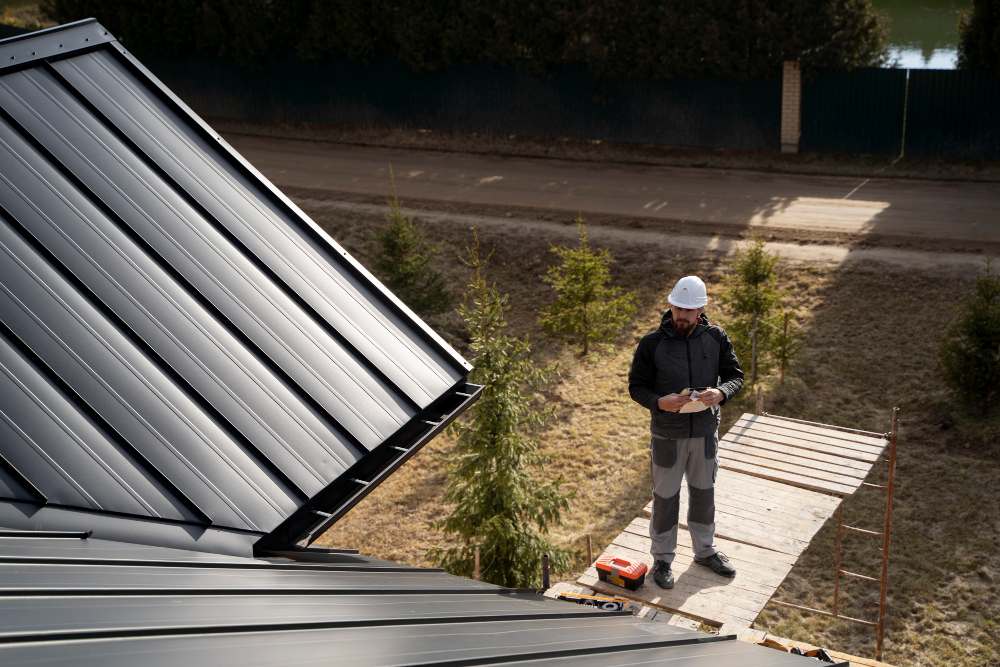
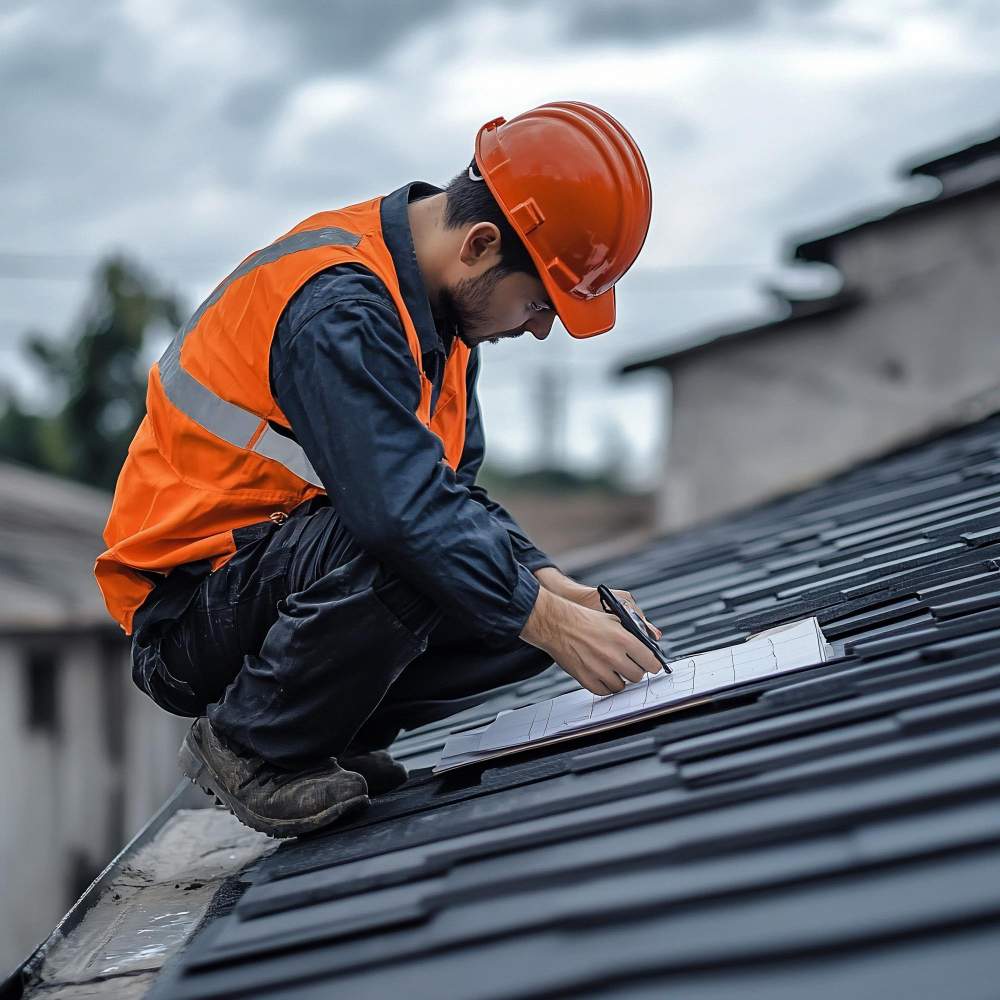
A roof inspection is a step-by-step evaluation of both the exterior and sometimes interior areas of the roof system.
Inspectors examine:
They look for:
Proper drainage is essential to prevent water damage.
Inspectors check:
These include:
These areas are common leak points.
Sometimes inspectors also check inside the attic for:
There are different types depending on the purpose.
An inspector physically climbs onto the roof for a detailed check.
Drones are used for hard-to-reach or steep roofs.
Focuses on attic and ceiling conditions.
Required for real estate transactions or insurance purposes.
Roof inspections should be done in several situations:
Regular checks help avoid surprise damage.
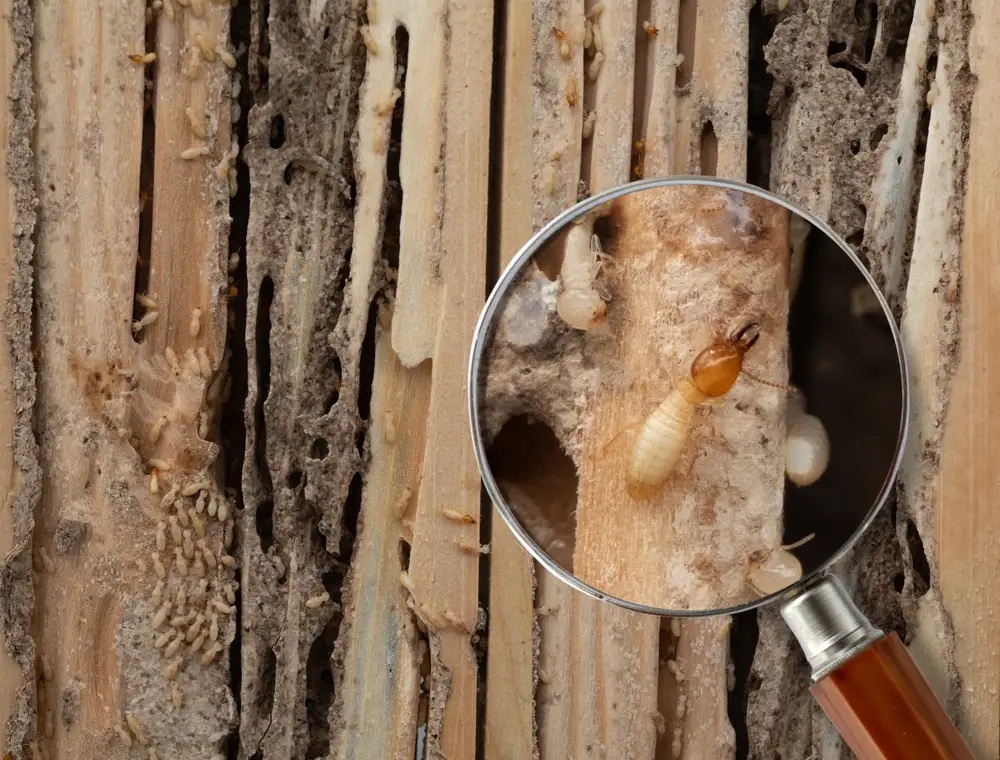
A roof inspection can reveal many hidden issues, such as:
Early detection can save thousands of dollars in repairs.
Most roof inspections take:
After inspection, a report is usually provided within 24–48 hours.
In the United States, roof inspection costs typically range from:
Some companies include roof inspection as part of a full home inspection.
A roof inspection is not a repair service.
Inspection comes before repair decisions.
Regular inspections provide long-term advantages:
Preventive care is always cheaper than emergency repairs.
You may need an inspection if you notice:
These are warning signs of roof problems.
Professional inspections are more reliable.
Roof experts check:
They also evaluate remaining roof lifespan.
For buyers, roof inspections are critical.
They help:
A damaged roof can lead to expensive future repairs.
A roof inspection is a detailed check of a roof’s condition to identify damage, leaks, and structural issues before they become serious problems. It is an essential part of home maintenance, especially for homeowners, buyers, and sellers. Regular inspections help protect your property, extend roof life, and save money on costly repairs.
A roof inspection includes checking shingles, flashing, gutters, drainage, and signs of damage or leaks.
It is recommended every 1–2 years or after severe weather events.
Yes, it helps identify hidden roof issues before purchase.
Most inspections take 30 minutes to 2 hours depending on roof size.
Yes, professionals can detect hidden leaks and moisture damage in roofs and attics.