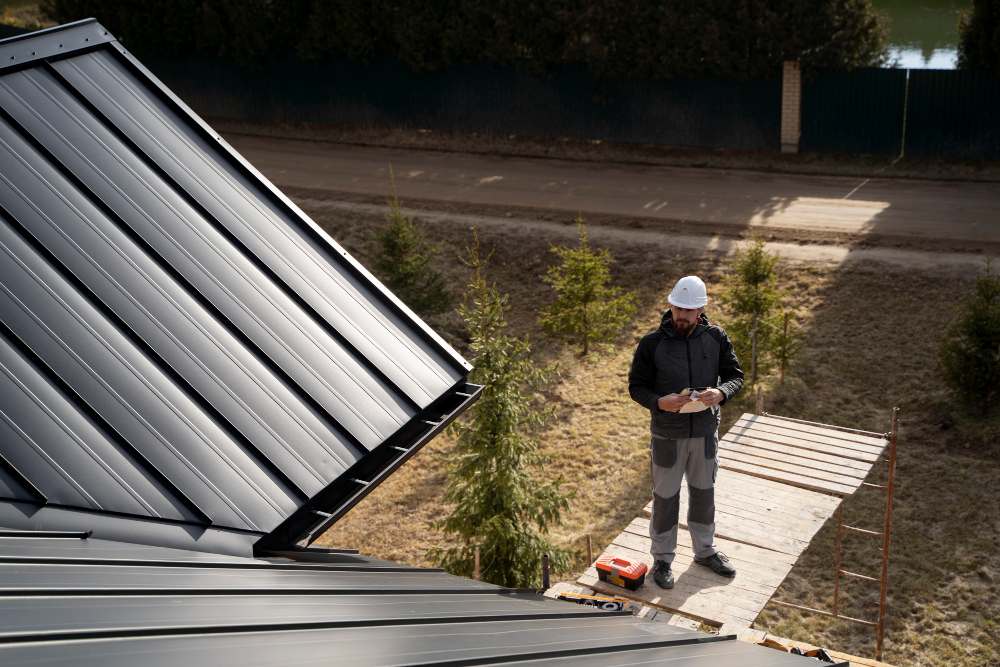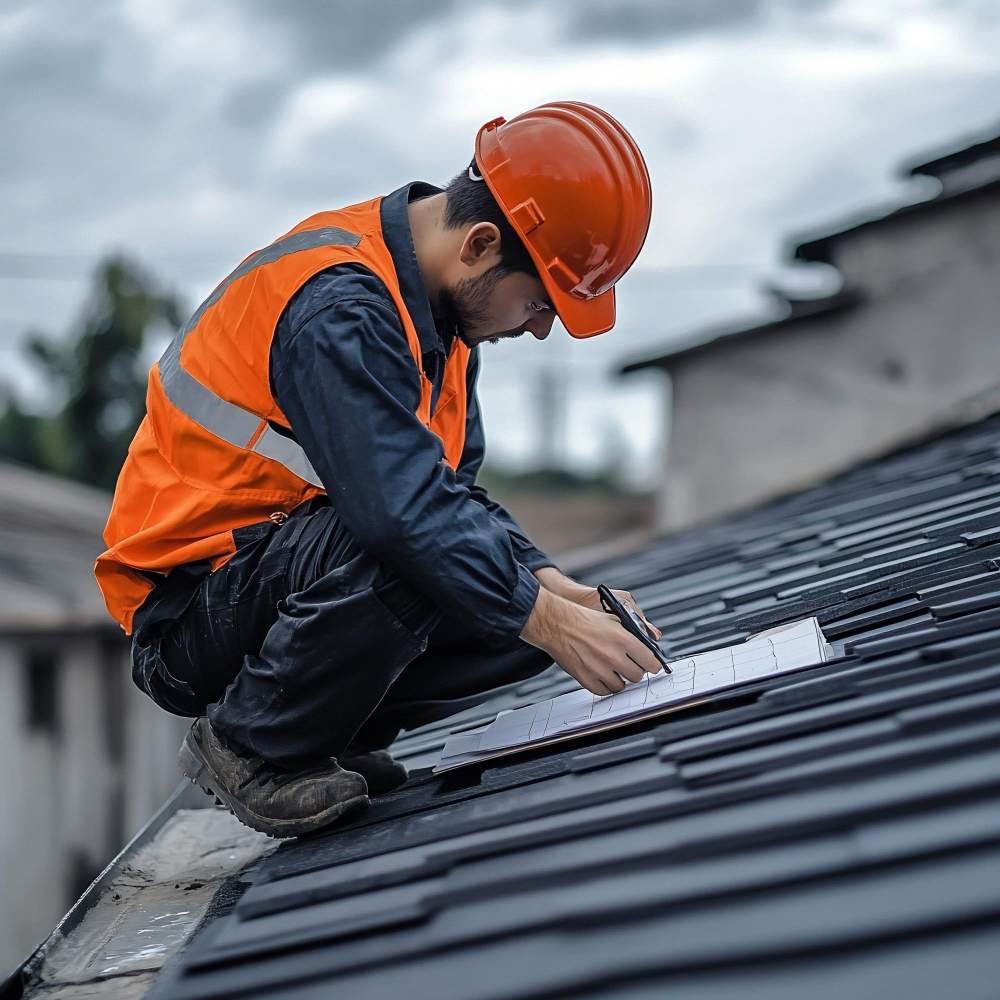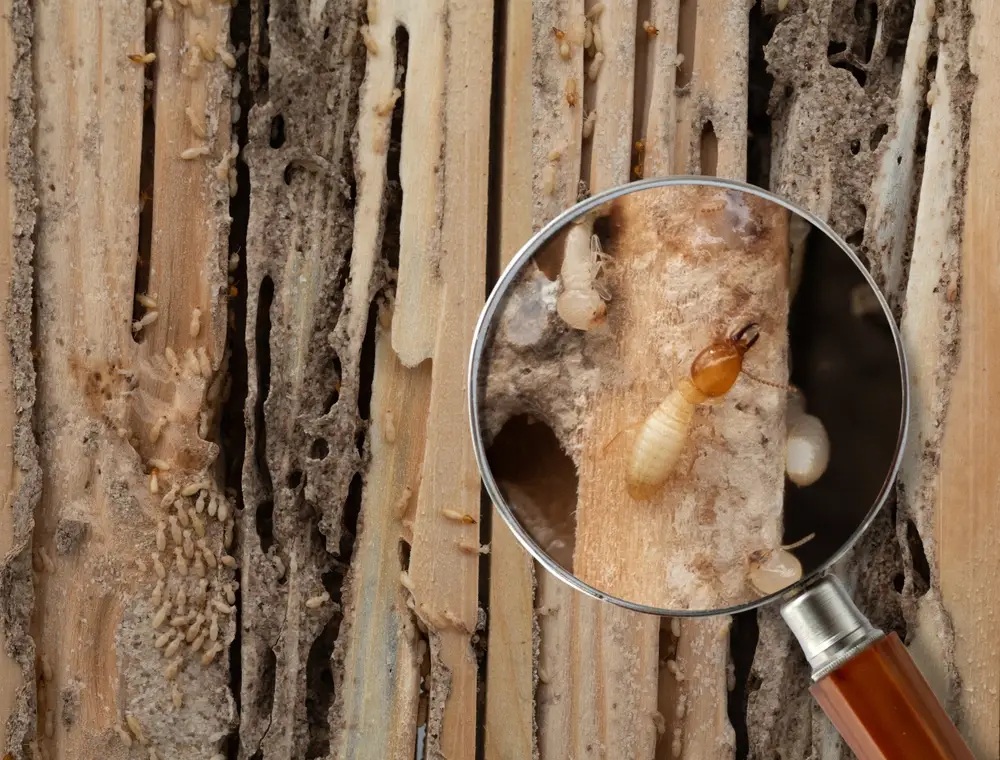

A professional roof inspection typically takes 45 minutes to two hours for an average single-family home. A small, accessible roof may take around 30 to 60 minutes, while a large, steep, damaged, or complex roofing system may require two to three hours or longer. Roof size, material, accessibility, weather, attic access, and the type of inspection all affect the total time.
A roof inspection may seem like a quick look at shingles from the ground, but a complete assessment involves much more. An inspector may evaluate the roof covering, flashing, drainage system, penetrations, visible structure, attic conditions, and signs of moisture intrusion. Each component provides information about the roof’s present condition and possible future problems.
The amount of time required varies from one property to another. A simple asphalt shingle roof on a small, single-story home will generally take less time than a multi-level roof with several slopes, skylights, valleys, and difficult access points.
Understanding the inspection process can help you schedule enough time, prepare the property, and know what to expect from the final report.
Most residential roof inspections can be completed within one or two hours. However, the following estimates provide a more useful breakdown.
Property or Roof Type | Estimated Inspection Time |
Small single-story home | 30 to 60 minutes |
Average single-family home | 45 minutes to 2 hours |
Large two-story home | 1.5 to 3 hours |
Complex or multi-level roof | 2 to 3 hours or longer |
Commercial flat roof | 1 to several hours |
Roof with suspected damage | 1 to 3 hours |
Limited visual inspection | 20 to 45 minutes |
Detailed inspection with attic review | 1 to 3 hours |
These are general estimates, not guaranteed appointment lengths. The actual time depends on what the inspector discovers and whether all areas can be accessed safely.
It is also important to separate inspection time from report preparation. The physical evaluation may take an hour, while organizing photographs, documenting defects, and completing the written report may require additional time afterward.
A professional inspection is normally divided into several parts. Not every inspection includes the same scope, so homeowners should confirm what is covered before the appointment.
The inspector may begin by observing the roof from the ground. This provides a broad view of its shape, visible condition, slope, drainage, and surrounding environment.
From the ground, an inspector may look for:
A ground-level review is useful, but it cannot reveal every defect. Small cracks, loose fasteners, damaged flashing, and subtle surface deterioration may only be visible at a closer distance.
When the roof is safe and accessible, the inspector may walk its surface. The roof covering is examined for visible wear, storm damage, installation problems, and conditions that could allow water intrusion.
Depending on the roofing material, the inspector may check for:
Walking the roof usually provides the clearest view, but safety always comes first. Rain, strong winds, excessive heat, ice, fragile materials, or a steep slope may prevent direct access.
In those situations, the inspector may use binoculars, a ladder at the roof edge, a camera pole, or a drone when permitted and appropriate.
Flashing protects some of the roof’s most vulnerable areas. It is commonly installed around chimneys, walls, valleys, skylights, vents, and other penetrations.
The inspector may look for loose, damaged, corroded, improperly installed, or poorly sealed flashing. These details deserve careful attention because even a small opening can allow water to enter the building.
Roof penetrations may include:
A roof with many penetrations usually takes longer to inspect because each opening requires individual attention.
A roofing system must move water away from the building. Gutters, downspouts, scuppers, drains, and roof slopes all contribute to that process.
The inspector may check for:
Drainage defects can contribute to fascia damage, roof deterioration, foundation moisture, and landscape erosion. Evaluating the entire path of water may add time to the inspection but provides a more complete understanding of the system.
A roof can look acceptable from outside and still have moisture or ventilation problems underneath. When attic access is available and included in the inspection, the inspector may evaluate the underside of the roof.
The attic assessment may include checking for:
Accessing and examining the attic can add approximately 20 to 45 minutes, depending on its size, accessibility, and condition. A cramped attic with limited walking space may take longer and may restrict the areas that can be safely viewed.
A larger roof contains more surface area, edges, penetrations, and drainage components. It naturally takes longer to inspect than a small roof.
Square footage alone does not determine the duration. A large but simple roof may be faster to evaluate than a smaller roof with numerous sections and architectural details.
Roof design has a major effect on inspection time. A basic gable roof may have only two main slopes. A complex roof may include several valleys, dormers, transitions, intersecting sections, and different elevations.
Features that can extend the inspection include:
Every transition or penetration creates another potential weak point that must be examined.
Low and moderately sloped roofs are generally easier to access. Steep roofs require additional caution and may need specialized equipment.
Access may also be limited by:
An inspector should never rush or take unnecessary risks simply to keep an appointment short. When direct access is unsafe, alternative observation methods may be used and limitations should be documented.
Different materials have different signs of aging and damage. Asphalt shingles are common and usually straightforward to evaluate. Tile, slate, wood shake, metal, and low-slope membrane systems may require additional care.
Tile and slate can crack under improper foot placement, so walking may be limited. Metal roofs require attention to seams, fasteners, corrosion, coatings, and flashing. Flat and low-slope roofs may need a detailed review of drainage, seams, surface deterioration, and ponding.
A relatively new roof with a simple design may be inspected fairly quickly when no significant issues are present. An older roof may require more time because the inspector must distinguish normal aging from defects that need repair.
Visible damage can also extend the process. If the inspector finds water stains, missing materials, sagging, or previous repairs, additional time may be needed to determine the apparent extent and possible source.
Roof inspections depend heavily on weather. Rain, high winds, lightning, ice, and extreme temperatures can make rooftop access unsafe.
Wet roofing materials may be slippery, while strong sunlight can make certain surfaces dangerously hot. Poor lighting may also hide subtle defects.
If conditions are unsafe, the rooftop portion may need to be postponed or limited. A responsible inspector will prioritize safety and accuracy over completing the job in bad conditions.
Not all roof inspections serve the same purpose. The scope may vary depending on whether the inspection is being performed for:
A focused inspection of one suspected leak may be shorter than a complete evaluation of the entire roofing system. However, tracing a difficult or intermittent leak can take considerably longer than expected.
A limited visual inspection generally identifies obvious problems without testing, dismantling, or intrusive investigation. It may involve viewing the roof from the ground, accessible edges, or selected rooftop areas.
A more detailed evaluation may include:
The deeper the scope, the longer the inspection will take. Homeowners should ask what is included instead of choosing a service solely because it promises the fastest completion.
A 20-minute appointment may be sufficient for a narrow visual check, but it is usually not enough for a comprehensive inspection of a large or complicated property.
A roof evaluation is commonly included as part of a complete home inspection. In that situation, the roof is only one of many building systems being assessed.
A full home inspection often takes several hours, depending on the property’s size, age, features, and condition. The inspector may examine the roof during one portion of the appointment and then look for related evidence while evaluating the attic, ceilings, walls, and exterior.
This broader approach can be useful because roof defects may affect multiple areas of a home. A ceiling stain, for example, may correspond with damaged flashing, a plumbing vent, condensation, or another source above it.
When arranging a property assessment with Forscher Property Inspections, confirm whether the roof review includes exterior surfaces, accessible attic areas, supporting photographs, and a written summary of observed conditions.
A roof inspection and a roof certification are not necessarily the same service.
An inspection documents visible conditions at the time of the assessment. A certification may provide an opinion about the roof’s remaining serviceability for a defined period, depending on the professional, local practice, and service terms.
A certification may require:
Homeowners should confirm exactly what document they need before scheduling. Ordering a basic inspection when an insurer or lender requires a specific certification can create delays.
The written report may not be completed at the property. After the physical inspection, the inspector may need to organize notes, review photographs, describe defects, and prepare recommendations.
Report delivery commonly ranges from the same day to a few business days. The timeline depends on the service provider, inspection scope, property size, and report complexity.
A useful report should clearly identify:
Receiving a report immediately is convenient, but clarity and accuracy are more important than speed.
A few simple preparations can prevent delays and give the inspector better access.
Before the appointment:
You do not need to climb onto the roof or attempt repairs before the inspection. Doing so may be unsafe and could disturb evidence that helps identify the source of a problem.
An inspection may exceed the expected appointment time when the inspector discovers conditions requiring additional investigation.
Common examples include:
A longer inspection is not automatically a bad sign. It may simply mean the inspector is documenting the property carefully rather than rushing through the process.
Yes. A roof may be inspected using alternative methods when walking on it would be unsafe or could cause damage.
Possible methods include:
These methods can provide valuable information, but each has limitations. A drone may capture excellent photographs without identifying softness underfoot. A ground-level inspection may miss small cracks or loose fasteners. An attic inspection can reveal moisture but may not show the exact exterior entry point.
The report should explain which areas were viewed, how they were viewed, and which areas were inaccessible.
Speed should not be the main measure of inspection quality. A competent inspector works efficiently, but the time required should reflect the property’s size and complexity.
An unusually fast inspection may overlook important details if it does not include:
On the other hand, a longer inspection is not automatically more thorough. Experience, organization, equipment, and inspection scope all affect efficiency.
The best approach is to ask what the service includes and what kind of report will be provided.
A roof should not be inspected only when water starts dripping from the ceiling. Early inspections can identify minor deterioration before it develops into expensive interior damage.
Consider scheduling an inspection:
Routine inspection frequency depends on the roof material, age, weather exposure, tree coverage, and local conditions. Older roofs and properties exposed to severe weather may benefit from more frequent evaluations.