A commercial roof inspection typically costs $250 to $1,000, with many standard inspections falling between $400 and $600. Large buildings, difficult roof access, detailed written reports, drone surveys, core sampling, or infrared moisture scans can increase the cost to $1,500 to $5,000 or more. The final price depends on the roof’s size, material, condition, accessibility, and the inspection’s purpose.
Commercial roofs protect valuable buildings, equipment, inventory, employees, and business operations. However, leaks and hidden moisture problems can develop long before water becomes visible inside the property. A professional roof inspection helps identify those concerns before they turn into disruptive and expensive repairs.
The price of an inspection is not the same for every building. A basic visual assessment of a small retail property may cost a few hundred dollars, while an infrared survey of a large industrial roof may cost several thousand dollars. The level of detail required also matters. An owner seeking routine maintenance guidance may need a different service from an investor evaluating a property before a multimillion-dollar purchase.
Understanding how commercial roof inspection pricing works makes it easier to compare quotes and choose an appropriate inspection instead of automatically selecting the cheapest option.
Across the United States, a standard commercial roof inspection commonly costs between $250 and $1,000. Many property owners can expect to pay approximately $400 to $600 for a straightforward visual inspection of a small or medium-sized commercial roof. Published 2026 estimates vary considerably, with some sources placing average commercial inspections around $200 to $600 and broader ranges extending beyond $1,000 for more complex work. (HomeGuide, Billy’s Roofing)
These figures should be treated as general planning estimates. Commercial properties differ significantly in size and design, so an inspector may need building plans, roof dimensions, access information, and the purpose of the inspection before providing an accurate quote.
Inspection Type | Typical Estimated Cost |
Basic visual inspection | $250 to $600 |
Detailed commercial roof inspection | $400 to $1,000 |
Drone-assisted inspection | $300 to $1,200 |
Infrared moisture inspection | $500 to $3,000 or more |
Large industrial roof survey | $1,500 to $5,000 or more |
Roof certification or specialized report | Quoted according to scope |
Follow-up inspection after repairs | $150 to $500 |
These ranges overlap because providers package their services differently. One company’s basic inspection may include photographs and a short report, while another may charge separately for documentation, thermal imaging, or repair estimates.
Some commercial roof inspectors use a flat fee. Others calculate the price according to roof area, particularly when inspecting warehouses, manufacturing facilities, shopping centers, schools, or large office buildings.
A general commercial roof inspection may be priced at approximately $0.05 to $0.10 per square foot. Specialized surveys may use higher rates, minimum service charges, or custom pricing.
For example:
The calculation is rarely this simple in practice. Inspectors may apply a minimum fee for smaller properties. They may also charge more for multiple buildings, complex roofing systems, restricted access, detailed reporting, or travel.
A very large and open warehouse roof may be easier to inspect than a much smaller roof divided into numerous levels. For that reason, square footage is only one part of the quote.
Roof size is one of the most important pricing factors. Larger roofs require more time to walk, document, photograph, and evaluate.
A large commercial roof may contain hundreds of seams, fasteners, penetrations, drains, and repair areas. Even when the overall surface appears simple, the inspector must cover enough of the roof to provide a meaningful assessment.
Large facilities may also need multiple inspectors or additional equipment to complete the work safely and efficiently.
Commercial buildings use several types of roofing systems, including:
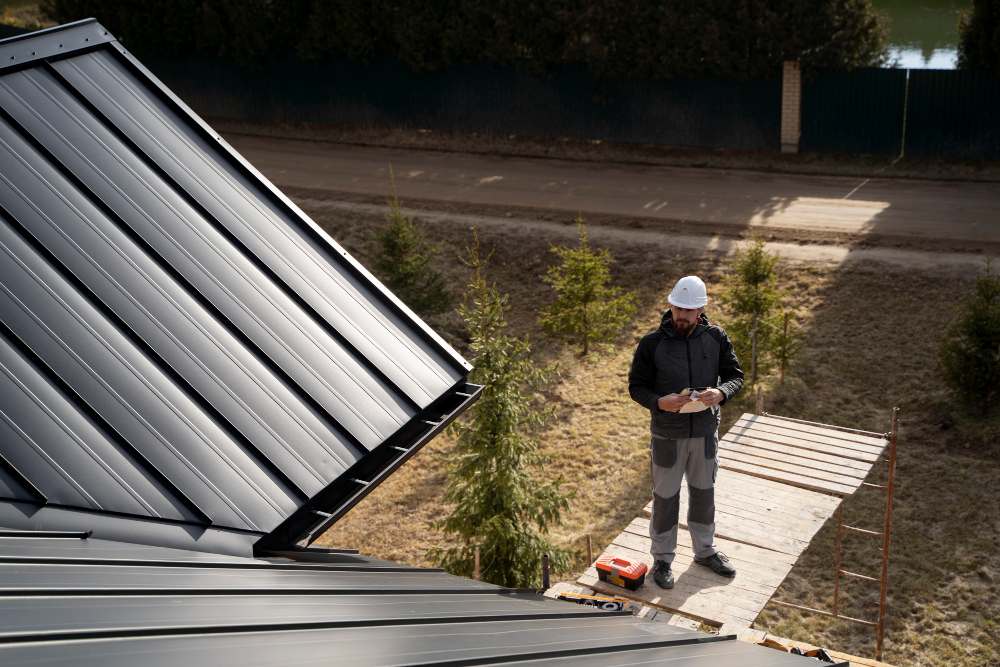
Each material has different vulnerabilities and inspection requirements. A single-ply membrane roof may need careful examination for punctures, open seams, shrinkage, and surface damage. A metal roof requires attention to corrosion, loose fasteners, panel movement, sealants, and flashing.
A property with multiple roofing materials may cost more to inspect because every section must be evaluated according to its construction and condition.
A simple rectangular roof with few penetrations is generally faster and less expensive to inspect than a roof divided into numerous sections.
Features that may increase complexity include:
Every penetration, transition, and drainage point creates a potential location for leaks or deterioration. The inspector needs enough time to evaluate these vulnerable details properly.
The inspector must be able to reach the roof safely. Buildings with permanent roof hatches, interior ladders, or safe exterior access may be easier to inspect.
Costs may increase when access requires:
Some roofs cannot be walked safely because of their condition, slope, surface temperature, or weather exposure. In those situations, the inspector may use a drone, camera pole, or alternative observation method.
A relatively new roof with no visible problems may take less time to document. An older or damaged roof may require a more detailed investigation.
The inspection may take longer when there are:
Finding one problem often leads to additional investigation. A visible patch, for example, may indicate a previous leak, which may require closer examination of the surrounding membrane, insulation, decking, and interior ceiling.
Commercial inspection prices vary by location. Labor rates, travel time, insurance requirements, local building conditions, and demand all influence the cost.
Prices may be higher in large metropolitan areas or locations where inspectors must travel long distances. Coastal and hurricane-prone regions may also have specialized inspection needs related to wind damage, drainage, fastening, and insurance documentation.
The purpose of the inspection affects its required scope. A routine maintenance assessment may be simpler than an inspection for a real estate transaction, insurance claim, warranty dispute, or legal matter.
Commercial roof inspections may be requested for:
A lender, investor, insurer, or property manager may require a specific report format. Preparing detailed findings, photographs, repair priorities, and estimated remaining service life can increase the fee.
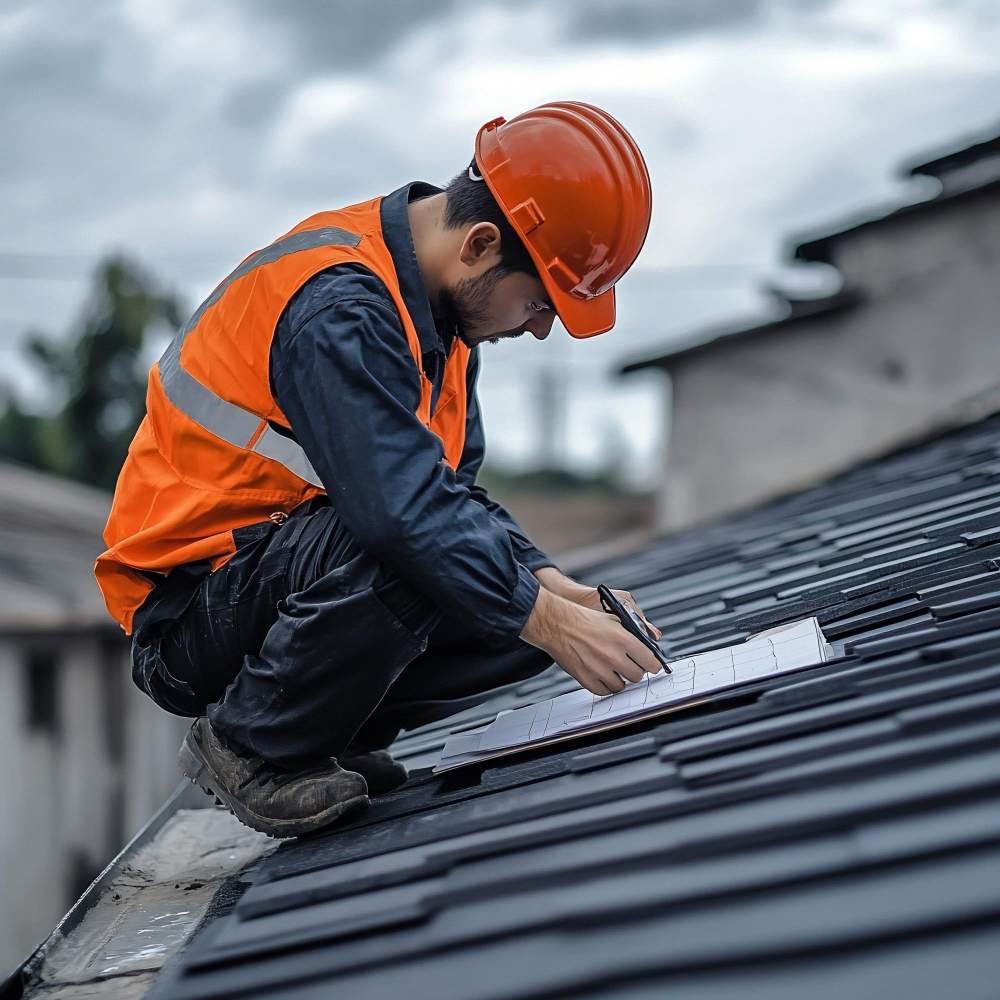
A basic visual inspection is usually the least expensive option. The inspector examines accessible roof surfaces and visible components without removing materials or using advanced diagnostic equipment.
The inspection may include:
This type of inspection can be suitable for routine maintenance. However, it may not identify moisture trapped beneath the roof surface.
A detailed assessment provides a broader review of the roofing system. It may include close-up photographs, defect locations, maintenance priorities, and recommendations for repair or further investigation.
The report may categorize findings according to urgency, such as:
This inspection costs more than a quick visual review but provides information that can support budgeting and maintenance planning.
A drone can photograph roof areas that are difficult, unsafe, or time-consuming to access. It may be useful for large buildings, steep sections, fragile surfaces, or roofs surrounded by obstacles.
A drone inspection can document:
Drone use does not automatically replace a close physical inspection. Images may reveal visible defects but cannot confirm whether a surface feels soft underfoot or whether insulation beneath the membrane is wet.
Local aviation rules, airspace restrictions, weather, privacy, and site safety can also affect whether drone use is practical.
Infrared thermography can help locate temperature differences that may indicate moisture trapped within certain roofing systems. Wet insulation often stores and releases heat differently from dry materials.
Infrared inspections are especially useful when evaluating large, low-slope roofs. They can help property owners identify areas that may need further investigation rather than replacing an entire roof without evidence.
The cost is generally higher than a visual inspection because it requires specialized equipment, suitable environmental conditions, trained interpretation, and detailed reporting. Large commercial infrared surveys can range from approximately $1,500 to $5,000 or more, depending on the roof area and project requirements.
Infrared findings are not always conclusive on their own. Certain roof assemblies, weather conditions, surface materials, or indoor heat sources can affect the results. Suspected wet areas may need confirmation through another method.
Electronic leak detection uses specialized equipment to locate breaches in certain roof membranes. The technique may be used on new roofs, existing systems, vegetative roofs, or areas where a small opening is difficult to find visually.
Because the equipment and expertise are specialized, this service is normally priced separately from a routine inspection.
A roof core sample involves removing a small section of the roofing assembly to examine its layers. It can help identify:
Core sampling is intrusive and should only be performed with permission by a qualified professional. The sample location must be properly repaired after the investigation.
The cost depends on the number of samples, roof construction, access requirements, and whether laboratory testing is needed.
Before accepting a quote, ask for a written explanation of what the fee includes. Two inspections with similar prices may provide very different levels of service.
A useful commercial roof inspection may include:
Additional services may include thermal imaging, drone photography, moisture testing, core sampling, repair estimates, roof certification, or follow-up inspections.
Ask whether the report is included in the original price. A verbal overview is not the same as a detailed document that can be shared with property managers, contractors, investors, or insurers.
Some roofing contractors offer free inspections because they hope to provide the resulting repair or replacement work. A free inspection may be helpful when a property owner already suspects damage and wants a repair estimate.
However, a free contractor inspection is not always equivalent to an independent property assessment.
An independent inspector is paid for the evaluation itself and generally does not have the same financial interest in selling a new roofing system. This can be valuable during:
The right option depends on the purpose. If you need a repair quote, a roofing contractor may be appropriate. If you need an objective condition assessment for a transaction, an independent inspection may provide a clearer separation between evaluation and repair sales.
A standalone roof inspection focuses mainly on the roof covering, drainage, flashing, penetrations, and related moisture concerns.
A commercial building inspection has a much broader scope. It may examine:
When the roof inspection is included within a larger commercial property assessment, the total project fee will be higher than the price of a roof-only service.
For owners, buyers, and investors who need a broader understanding of a property, Forscher Property Inspections can assess accessible building components and document visible conditions within the agreed inspection scope.
A commercial roof should not be ignored until water begins entering occupied areas. Schedule an inspection if you notice:
An inspection is also sensible after hurricanes, hailstorms, high winds, falling tree limbs, or nearby construction activity.
Routine inspections add a cost to building maintenance, but they may help reduce larger and less predictable expenses.
Potential benefits include:
A neglected drain or small membrane opening can eventually affect insulation, decking, ceilings, equipment, inventory, and occupied spaces. Early identification gives the property owner more options.
Many commercial property owners schedule inspections at least once or twice a year, often during spring and fall. Additional inspections may be appropriate after severe weather or when the building develops signs of leakage.
The best schedule depends on:
A new roof may still require regular inspection to maintain warranty compliance and identify accidental damage. Older roofs generally need closer monitoring as materials deteriorate.
Preparation can reduce delays and help the inspector understand the property.
Before the appointment:
For large or occupied properties, coordination may be as important as the physical inspection. An inspector may need access to multiple tenant spaces to compare interior moisture signs with roof conditions above.
A commercial roof inspection generally costs between $250 and $1,000, with many basic or standard inspections falling around $400 to $600. Large buildings, advanced testing, restricted access, extensive reporting, and complicated roof systems can raise the cost to several thousand dollars.
There is no single price that applies to every property. Roof area, design, material, condition, location, accessibility, and inspection purpose all influence the final quote.
Property owners should compare the scope of service rather than looking only at the bottom-line price. A low-cost visual check may be suitable for routine maintenance, while a property purchase or unexplained moisture problem may justify a detailed assessment with thermal imaging or additional testing.
A properly scoped inspection can reveal maintenance needs, document existing conditions, and help owners make better repair and budgeting decisions before a minor weakness becomes a major business expense.