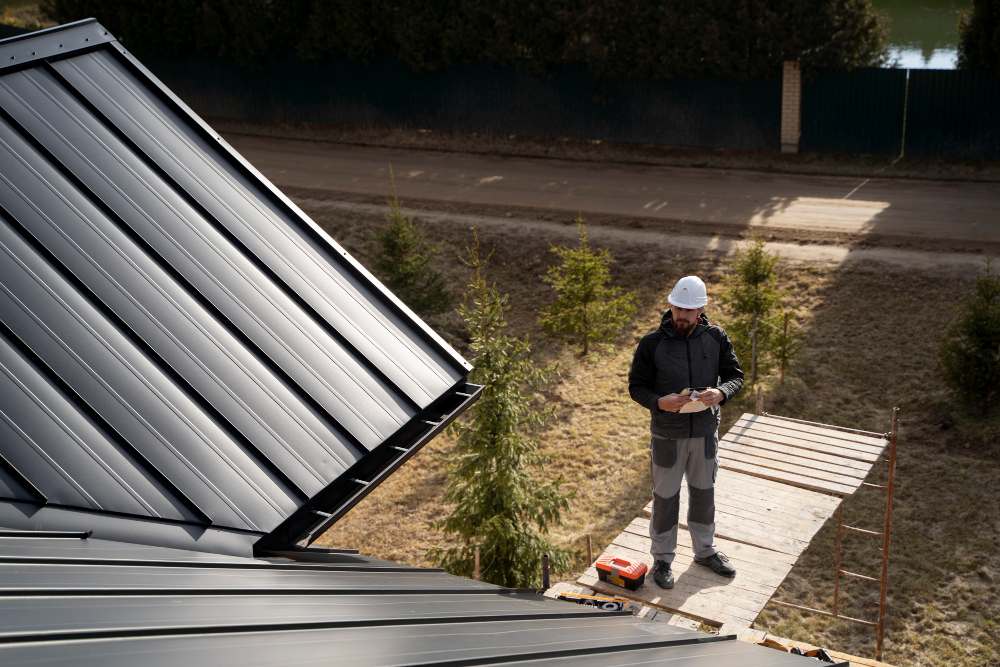
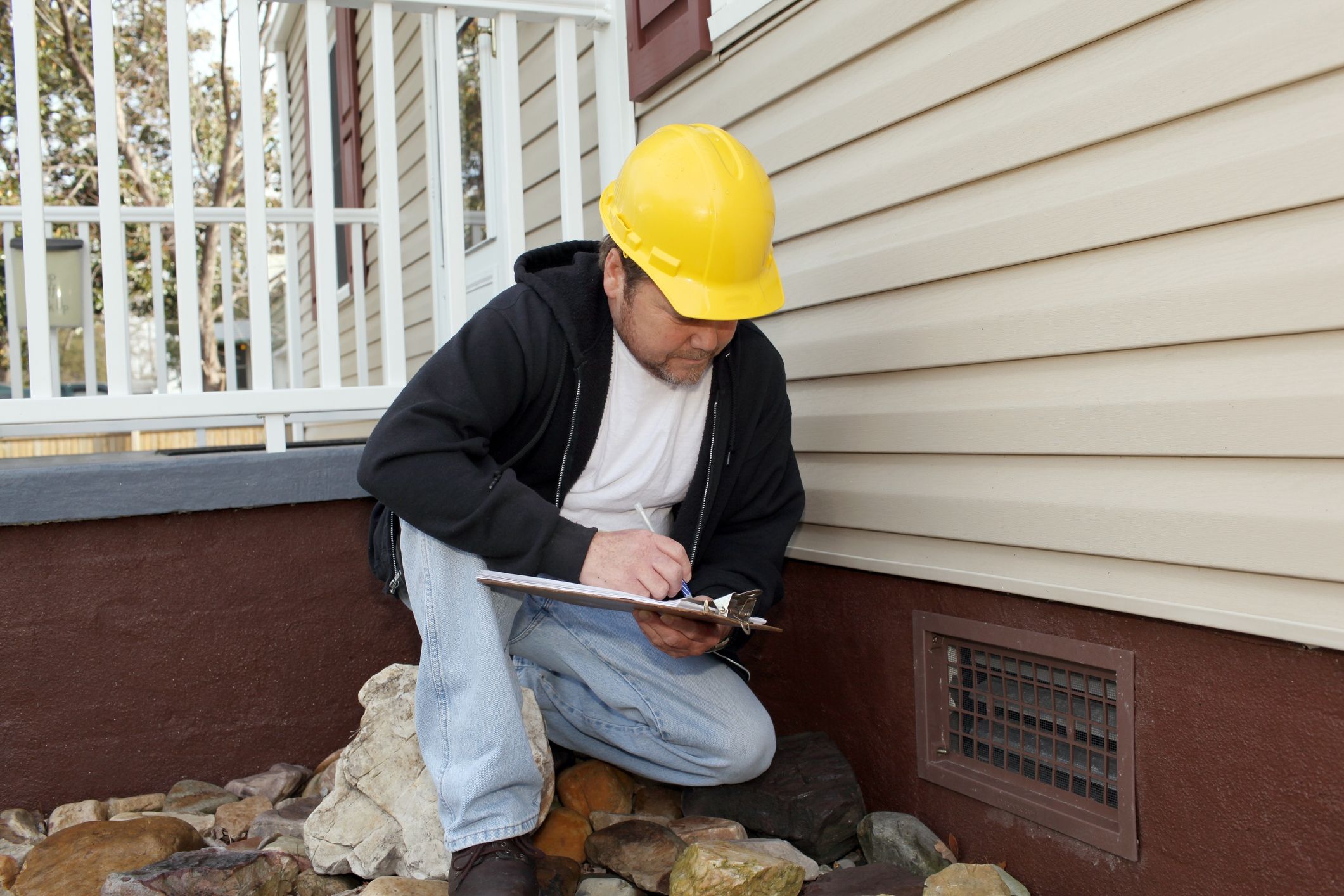
A foundation inspection typically costs between $250 and $1,000 in 2026, with most homeowners spending $300 to $800 for a professional evaluation. The final cost depends on property size, foundation type, accessibility, geographic location, and whether a structural engineer is required. More advanced inspections with engineering reports can exceed $1,500 or more, but they provide valuable insight into potential structural issues and repair needs.
Your home’s foundation is one of the most critical structural components of the property. It supports the entire building, keeps walls aligned, prevents uneven settling, and helps maintain the overall safety and stability of your home. When foundation issues arise, homeowners often notice warning signs such as wall cracks, uneven floors, sticking doors, or gaps around windows. Before making costly repair decisions, a professional foundation inspection is often the first and most important step.
A foundation inspection is a detailed assessment of a home’s structural support system. During the inspection, professionals evaluate the condition of the foundation and identify any signs of movement, damage, settlement, moisture intrusion, or structural concerns.
The goal is to determine:
A foundation inspection provides homeowners with a clearer understanding of their property’s condition and helps guide future maintenance or repair decisions.
In 2026, the average foundation inspection cost in the United States ranges from $250 to $1,000.
Typical pricing includes:
Most homeowners spend between $300 and $800 for a professional foundation inspection.
The final cost depends on the complexity of the property and the level of expertise required.
Many homeowners hesitate to pay for an inspection, especially if visible damage appears minor.
However, a professional evaluation can:
Considering that foundation repairs can cost several thousand dollars—or even tens of thousands—the inspection cost is relatively small.
Several variables influence how much you’ll pay for a foundation inspection.
Larger homes require more time and effort to inspect.
Inspectors must evaluate:
As home size increases, inspection fees often rise accordingly.
Different foundation systems require different inspection approaches.
Common foundation types include:
Some systems are easier to inspect than others, affecting labor costs.
If portions of the foundation are difficult to access, additional time may be required.
Examples include:
Accessibility challenges can increase inspection pricing.
Inspection costs vary significantly by region.
Factors include:
Urban markets often have higher inspection fees than rural areas.
Some situations require a licensed structural engineer.
Engineering inspections generally cost more because they provide:
Although more expensive, engineer inspections are often valuable for significant structural concerns.
Not all inspections are the same.
A visual inspection is the most common option.
The inspector evaluates:
Average Cost:
$250–$500
This type of inspection is often sufficient for routine evaluations.
Structural engineers provide a deeper level of analysis.
They assess:
Average Cost:
$400–$1,500+
This option is often recommended when major structural concerns exist.
Many buyers order foundation inspections during home purchases.
These inspections help identify:
Average Cost:
$300–$800
Homeowners should consider an inspection if they notice any of the following warning signs.
Interior wall cracks can indicate foundation movement.
Pay close attention to:
Sloping or uneven flooring may suggest settlement issues.
Foundation movement can alter frame alignment, making doors and windows difficult to open or close.
Cracks in brickwork often indicate structural stress.
Visible gaps may signal shifting foundations.
Moisture problems can weaken foundation materials and contribute to structural issues.
A professional inspection typically follows several steps.
Inspectors assess:
Inside the home, inspectors examine:
Some inspections include elevation measurements to identify settlement patterns.
Inspectors document findings through:
The final report helps homeowners understand the condition of the foundation.
Homeowners often confuse inspections with repair estimates.
There is an important difference.
Objective evaluation of foundation condition.
Purpose:
Repair contractor evaluates the foundation for the purpose of selling repair services.
Purpose:
An independent inspection often provides a more neutral assessment.
While the inspection itself may be affordable, additional services can increase total expenses.
Detailed engineering reports may cost:
In some cases, soil conditions contribute to foundation problems.
Soil testing costs:
Advanced measurements may add:
These services are typically only necessary when significant concerns exist.
Different property types can influence pricing.
Average Cost:
$300–$800
Average Cost:
$500–$1,200
Average Cost:
$1,000–$3,000+
Larger and more complex structures generally require more extensive evaluations.
While homeowners can identify visible warning signs, professional inspections remain essential.
Professionals have experience recognizing:
DIY evaluations may overlook important concerns.
Foundation issues can significantly impact property value.
Potential consequences include:
A professional inspection helps homeowners understand risks and address problems early.
Homeowners can reduce costs by:
Request estimates from several qualified inspectors.
Addressing concerns promptly may prevent larger problems.
Some companies offer package pricing when inspections are combined with general home inspections.
Preventative maintenance reduces the likelihood of serious foundation issues.
A foundation inspection provides more than just a report.
It offers:
Companies such as Forscher Property Inspections understand the importance of thorough evaluations that help homeowners make informed decisions about one of their most valuable investments.
Several trends are shaping the industry.
These include:
These innovations help improve accuracy and provide more detailed assessments.
So, how much does a foundation inspection cost in 2026? Most homeowners can expect to pay between $250 and $1,000, with the average inspection falling between $300 and $800. More advanced inspections involving structural engineers or detailed reports may cost significantly more.
While inspection costs vary based on property size, foundation type, accessibility, and location, the investment is often minor compared to the potential cost of foundation repairs. A professional foundation inspection can provide valuable insights, identify problems early, and help protect both your home and your financial future.
A structural engineer typically charges between $400 and $1,500 or more, depending on the complexity of the property and whether a detailed report is required.
Yes. A foundation inspection can identify structural issues early, prevent costly repairs, and provide peace of mind during homeownership or real estate transactions.
Most foundation inspections take between 1 and 3 hours, depending on the size of the property and the complexity of the foundation system.
Common signs include wall cracks, uneven floors, sticking doors or windows, exterior brick cracks, foundation settlement, and moisture intrusion.
Absolutely. A foundation inspection can reveal hidden structural issues, help buyers negotiate repairs, and prevent unexpected expenses after purchasing a property.