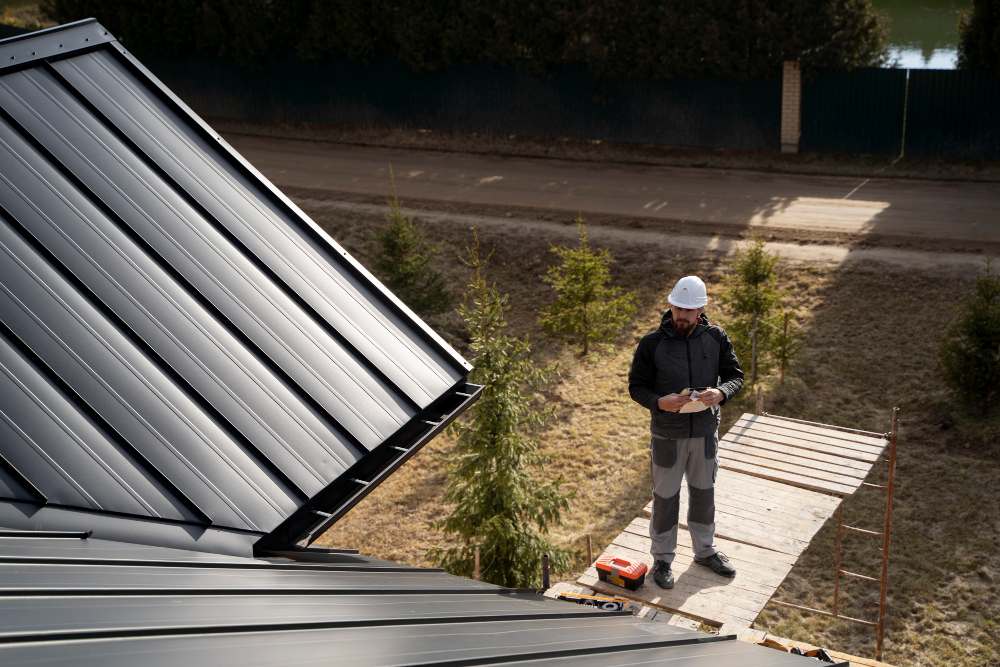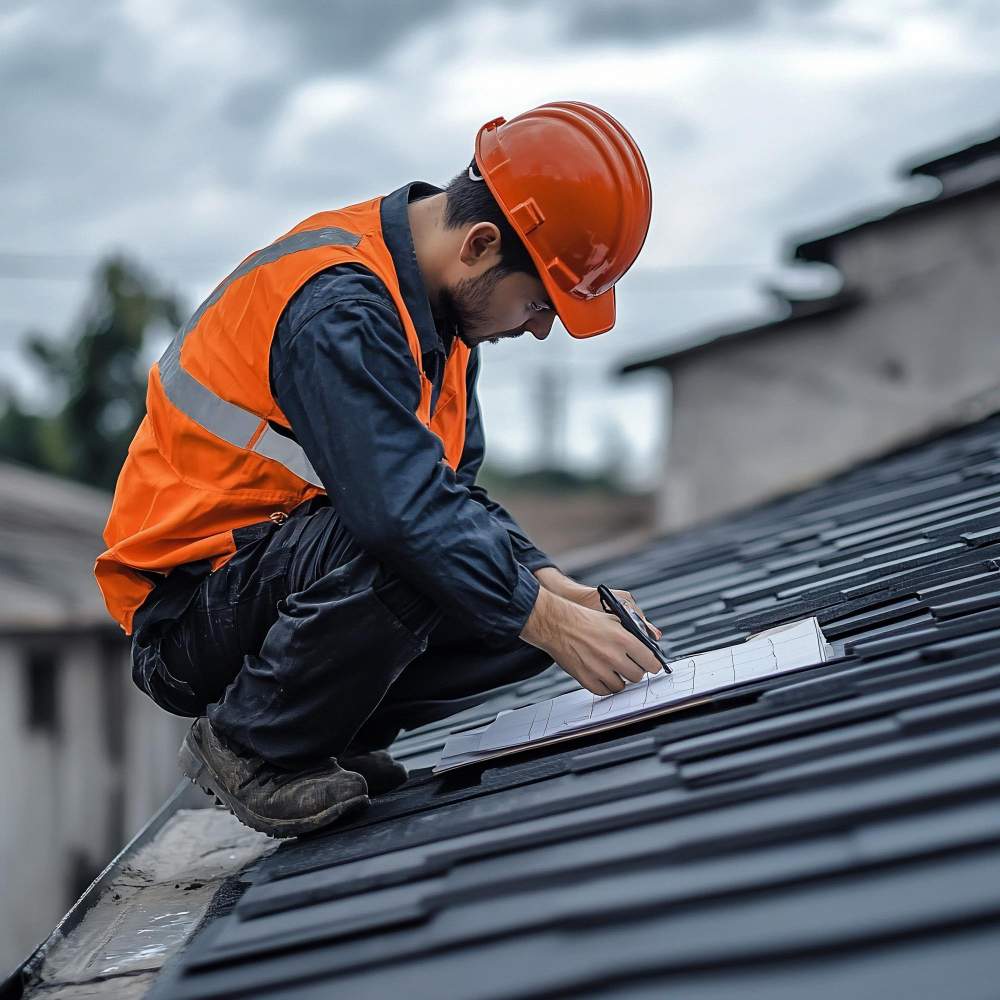
An insulation inspection is a professional evaluation of a home’s insulation to determine its condition, effectiveness, and coverage. Inspectors examine areas such as the attic, walls, crawl spaces, and basement to identify missing, damaged, or poorly installed insulation. The inspection helps improve energy efficiency, indoor comfort, moisture control, and overall home performance.
An insulation inspection is a professional assessment that evaluates the condition, placement, and effectiveness of insulation throughout a property. Whether you’re buying an older home, preparing to sell, planning renovations, or simply looking to improve energy efficiency, an insulation inspection provides valuable information about how well your home retains heat in winter and keeps cool air inside during summer.
This guide explains what an insulation inspection involves, why it’s important, what inspectors evaluate, common insulation problems, and how the inspection benefits homeowners in the long run.
Insulation is a building material designed to slow the transfer of heat between the inside and outside of a home. During winter, insulation helps retain warm indoor air. During summer, it reduces the amount of outdoor heat entering the house.
Without sufficient insulation, heating and cooling systems must work much harder to maintain comfortable temperatures, leading to increased energy usage and higher monthly utility costs.
Insulation is installed in many parts of a home, including:
Each location plays an important role in improving the home’s overall thermal performance.
An insulation inspection is a detailed examination of a home’s insulation system to determine whether it is properly installed, adequately distributed, and performing as intended.
Rather than simply checking whether insulation exists, inspectors evaluate several important factors, including:
The goal is to identify areas where energy efficiency may be compromised and recommend improvements that help maintain consistent indoor temperatures.
Many homeowners assume their insulation continues working effectively for decades. While some insulation materials have long lifespans, they can become damaged by moisture, settling, pests, renovations, or improper installation.
An inspection provides valuable insight into the current condition of your home’s thermal barrier.
One of the biggest benefits of an insulation inspection is identifying opportunities to reduce energy waste.
Missing or inadequate insulation allows conditioned air to escape, forcing HVAC equipment to run longer and consume more electricity or fuel.
Improving insulation can significantly reduce heating and cooling costs over time.
Poor insulation often causes noticeable temperature differences between rooms.
Common complaints include:
An inspection helps locate these problem areas so they can be corrected.
Proper insulation helps maintain stable indoor temperatures, allowing heating and cooling systems to operate more efficiently.
Many homeowners notice lower monthly energy expenses after improving insulation.
Insulation works together with ventilation to reduce condensation inside walls, ceilings, and crawl spaces.
Moisture trapped inside building materials may contribute to:
Early detection helps prevent more expensive repairs.
Homebuyers often focus on roofs, plumbing, and electrical systems while overlooking insulation.
Knowing the home’s insulation condition allows buyers to anticipate future energy costs and potential upgrades.
A professional insulation inspection covers several areas throughout the home.
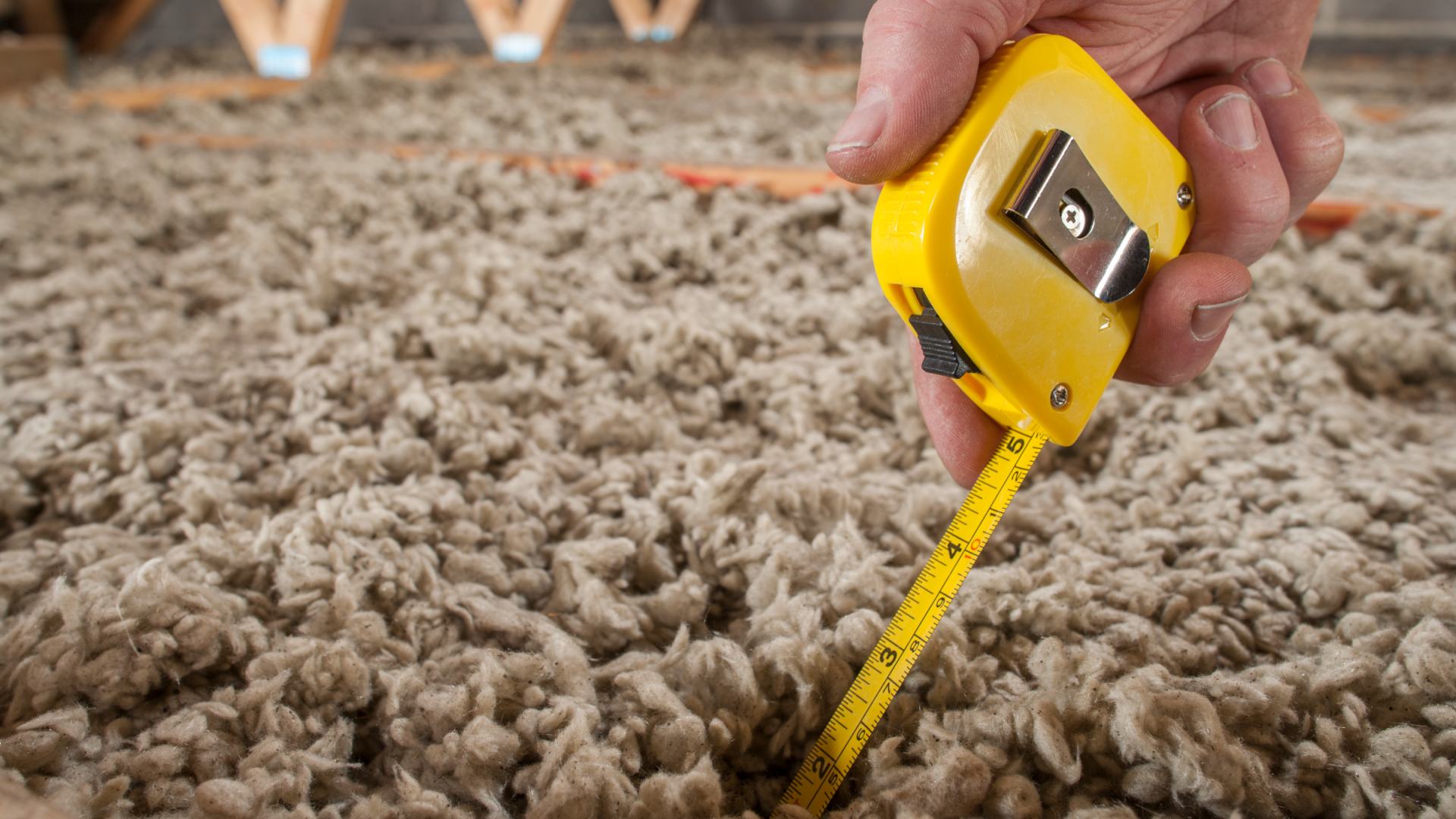
The attic is often the most important area inspected because significant heat loss occurs through the roof.
Inspectors evaluate:
Attics with insufficient insulation frequently contribute to higher heating and cooling costs.
Although wall insulation is not always directly visible, inspectors may assess it using specialized tools or by evaluating accessible areas.
They check for signs of:
Crawl spaces affect floor temperatures and indoor humidity.
Inspectors examine:
Finished and unfinished basements receive careful evaluation.
Inspectors look for:
Attached garages can transfer outside temperatures into adjoining living spaces.
Inspectors verify whether walls and ceilings adjacent to the home are properly insulated.
Several insulation materials may be present in residential properties.
One of the most common materials, fiberglass batts are installed between wall studs and ceiling joists.
Benefits include:
Loose cellulose insulation is frequently installed in attics.
Advantages include:
Spray foam expands after application, sealing both insulation gaps and air leaks.
Benefits include:
Often used on foundation walls and exterior sheathing, rigid foam provides durable insulation with excellent thermal resistance.
Mineral wool offers fire resistance while providing effective sound and thermal insulation.
Professional inspections frequently uncover issues that reduce insulation performance.
Older homes often contain far less insulation than current energy recommendations.
Thin insulation layers allow excessive heat transfer.
Walking on attic insulation or improper storage can flatten insulation materials, reducing their effectiveness.
Roof leaks and plumbing leaks can saturate insulation.
Wet insulation loses much of its insulating ability and may encourage mold growth.
Even high-quality insulation performs poorly if air escapes around:
Inspectors identify these areas for sealing.
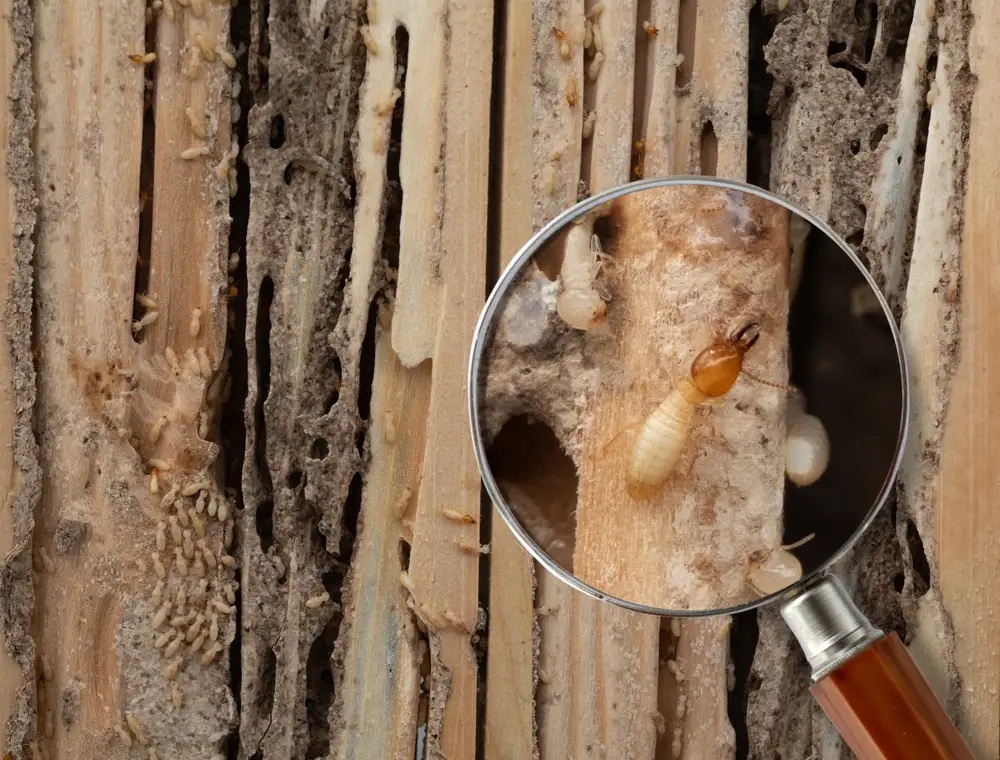
Rodents, insects, and other pests sometimes nest inside insulation.
Damage may include:
Incorrect installation leaves gaps that reduce thermal performance.
Inspectors evaluate workmanship as well as material condition.
Inspection time depends on property size and accessibility.
Typical estimates include:
Older homes with difficult attic access may require additional time.
Several warning signs indicate that an inspection may be beneficial.
These include:
If multiple symptoms are present, insulation deficiencies may be contributing.
Following the inspection, homeowners receive a detailed report describing the property’s insulation condition.
Recommendations may include:
The report helps prioritize improvements based on the home’s specific needs.
Periodic inspections provide long-term advantages.
These include:
Routine evaluations help homeowners identify small issues before they become costly repairs.
While homeowners can perform a basic visual inspection, many important issues remain hidden.
Professionals have the knowledge to recognize:
Professional evaluations are generally more comprehensive than casual homeowner inspections.
Selecting an experienced inspector improves the accuracy of the evaluation.
Look for professionals who:
Experienced inspection companies such as Forscher Property Inspections help homeowners better understand the condition of their property’s insulation while providing practical recommendations for improving energy efficiency and indoor comfort.
For most homeowners, the answer is yes.
An insulation inspection provides valuable information that can reduce energy waste, improve indoor comfort, and help identify hidden moisture or ventilation problems before they worsen.
The inspection is especially beneficial for:
Small insulation improvements often produce noticeable savings over the life of the home.
An insulation inspection is an essential part of understanding how efficiently a home performs. By evaluating the condition, coverage, and effectiveness of insulation throughout the property, inspectors can identify areas where energy is being lost and recommend practical improvements.
Whether you’re purchasing an older property, planning upgrades, or simply trying to lower utility costs, an insulation inspection provides valuable insights that support smarter maintenance decisions. Proper insulation not only improves comfort throughout every season but also contributes to better energy efficiency, reduced operating costs, and a healthier indoor environment for years to come.