The average mold inspection cost in the US is around $671, while most homeowners can expect to pay approximately $303 to $1,045. The final price depends on the size of the property, location of suspected mold, accessibility, and whether air or surface samples require laboratory testing. Larger homes or inspections involving hidden mold may cost more.
Finding mold in your home can be concerning, especially when you cannot tell how far the problem has spread or where the moisture is coming from.
A professional mold inspection can help identify visible and potentially hidden moisture problems, assess suspicious areas, and determine whether additional investigation or remediation may be necessary. However, the price can vary considerably depending on the property and type of inspection required.
This guide explains mold inspection cost, what is normally included, the factors that affect pricing, when mold testing may be useful, and how to decide whether a professional inspection is worth paying for.
In 2026, professional residential mold inspections generally cost around $303 to $1,045, with an average price of approximately $671. Pricing varies based on property size, accessibility, inspection complexity, and testing requirements.
A straightforward inspection of a smaller property may sit toward the lower end of that range.
A larger property with several suspected mold locations, difficult-to-access spaces, or extensive laboratory sampling can cost considerably more.
The quoted price should therefore be viewed as a general budgeting range rather than a guaranteed nationwide rate.
The total cost usually reflects more than someone simply looking around the property.
Depending on the service, the inspection may involve:
Not every inspection includes all of these services.
Before booking, ask exactly what is included in the quoted mold inspection price and whether laboratory fees are charged separately.
Several factors can increase or reduce your final bill.
Property size is one of the biggest pricing factors.
A larger home usually requires more time to inspect because there are more rooms, surfaces, plumbing areas, and potential moisture sources to evaluate.
Current national pricing guidance also identifies home size as one of the main variables affecting inspection costs.
Mold growing around a visible bathroom wall is considerably easier to inspect than suspected mold behind walls, underneath flooring, inside an attic, or within a crawl space.
Difficult access increases the amount of work involved.
If you are concerned about one small bathroom, the inspection may be relatively straightforward.
If there are signs of moisture in the basement, attic, kitchen, several bathrooms, and HVAC system, the inspector may need substantially more time.
Testing may add to the total price when samples are collected and sent to a laboratory.
Common sampling methods can include:
Laboratory analysis and additional samples can increase the total cost.
However, testing is not necessary in every situation.
The EPA states that when visible mold growth is already present, sampling is generally unnecessary because there are no federal regulatory limits for mold or airborne mold spores.
Hidden mold can make an inspection more complicated.
Possible locations include:
The EPA notes that investigating hidden mold may require caution, particularly when disturbing materials could release mold spores.
Labor rates and service prices vary between cities and states.
Inspection costs in high-cost metropolitan areas may be different from prices in smaller communities.
Local licensing or professional requirements can also vary.
Mold inspection and mold testing are related, but they are not necessarily the same thing.
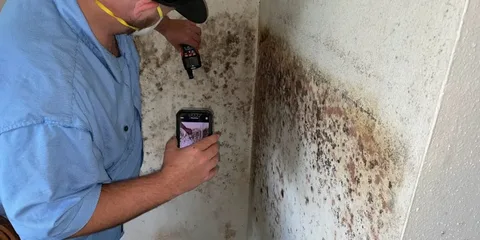
A mold inspection generally focuses on examining the property for signs of mold, moisture intrusion, water damage, and conditions that could support growth.
Mold testing involves collecting samples for laboratory analysis.
Testing costs may be included in an inspection package or charged separately.
Current pricing guides note that laboratory analysis, air samples, swabs, and HVAC-related testing can contribute to the overall mold inspection bill.
Ask the inspector:
Paying for unnecessary samples can increase your bill without necessarily providing useful additional information.
No.
This is an important distinction because many homeowners assume every mold concern requires laboratory testing.
According to the EPA, if visible mold growth is present, sampling is generally unnecessary. There are currently no EPA standards or federal limits for airborne mold or mold spores that can be used to determine whether a building “passes” or “fails” a mold test.
Testing may sometimes be useful when:
When sampling is appropriate, the EPA recommends that it be performed by professionals experienced in sampling protocols and interpreting results.
A mold assessment is not simply a hunt for black or green spots.
Because mold growth is closely associated with moisture, inspectors may focus heavily on finding water problems.
The EPA emphasizes that moisture control is the key to mold control, and mold problems cannot be properly addressed without dealing with the underlying source of moisture.
Potential warning signs include:
Identifying the moisture source is important because simply cleaning mold without correcting the water problem can allow it to return.
A professional inspection can make sense when there are signs of a moisture problem but the extent of mold growth is unclear.
Flooding, plumbing failures, roof leaks, overflowing appliances, and other water events can create conditions that support mold growth.
A persistent musty smell without obvious visible growth may justify further investigation.
Hidden mold can sometimes develop behind building materials or in areas that are difficult to inspect without experience.
If there are signs of previous water damage or suspicious staining during the home-buying process, a mold inspection may provide additional information before you proceed with the purchase.
A leaking roof, pipe, appliance, or shower can allow water into wall cavities, flooring, or ceilings.
Even when the visible surface dries, moisture may remain elsewhere.
If you repeatedly clean mold but it reappears, the underlying moisture problem may not have been resolved.
A proper inspection should focus on both the mold and the conditions allowing it to grow.
These are two separate services and should not be confused when comparing prices.
An inspection is intended to assess the property and identify areas of concern.
It may include visual inspection, moisture investigation, sampling, and reporting.
Mold remediation involves containing, removing, cleaning, or otherwise addressing mold-contaminated materials.
Remediation is generally much more expensive than inspection alone.
Current 2026 pricing from Angi places many mold remediation projects between approximately $1,223 and $3,756, although major projects can vary considerably depending on the extent and location of contamination.
A $600 inspection therefore does not mean the entire mold problem will cost $600 to solve.
A standard home inspection and a dedicated mold inspection are not necessarily the same service.
A general home inspector may identify visible evidence of moisture or suspected mold, but specialized testing and detailed mold assessment may require an additional service.
If you are buying a home, ask specifically whether mold inspection is included.
Never assume it is part of the standard inspection fee.
It depends on the situation.
If you have a tiny, clearly visible patch of mold caused by an obvious and already-repaired moisture problem, extensive sampling may not provide much additional value.
The EPA specifically notes that visible mold usually does not need sampling.
A professional inspection becomes more valuable when:
The real value is often in understanding why the mold is developing and how extensive the moisture problem may be, not simply confirming that mold exists.
Do not choose solely based on the cheapest quote.
Ask prospective inspectors about:
The EPA does not operate a federal certification program for mold inspectors or remediation companies, although some states and professional organizations may have their own requirements. The agency recommends asking professionals about their qualifications, training, experience, and references.
You should not cut corners on a legitimate moisture problem, but you can avoid unnecessary expenses.
Tell the inspector about:
This information can help focus the investigation.
Find out whether the advertised price includes sampling, lab analysis, reporting, and follow-up.
A cheap base price can become expensive once additional charges are added.
If visible mold is already clearly present, ask whether laboratory sampling will materially change the recommended next steps.
Testing should have a purpose rather than simply adding another line to the invoice.
Compare what each inspector actually provides rather than looking only at the total price.
A $350 visual inspection and a $700 inspection with moisture assessment, sampling, laboratory analysis, and a detailed report are not equivalent services.
Final Thoughts
The typical mold inspection cost in the US currently falls between roughly $303 and $1,045, with an average around $671, but your actual price will depend on property size, accessibility, the number of areas being investigated, and whether laboratory testing is required.
Before booking an inspection, ask exactly what the price includes and whether additional samples or laboratory fees will be charged separately.
Most importantly, remember that mold is usually connected to moisture. A useful inspection should do more than identify suspicious growth—it should help determine where the moisture is coming from and what needs to be addressed to prevent the problem from returning