A lead based paint inspection typically costs between $250 and $700, depending on property size, location, inspection type, and the number of painted surfaces tested. Larger or older homes usually cost more to inspect, while comprehensive inspections that include detailed reports may have higher fees. Hiring a certified lead inspector helps identify potential lead hazards and ensures compliance with local regulations, especially for homes built before 1978.
A lead-based paint inspection is designed to identify whether lead paint is present in a property. The inspection provides valuable information that helps homeowners, buyers, landlords, contractors, and property managers make informed decisions before renovations, sales, or occupancy.
The cost of a lead inspection varies depending on several factors, including the size of the property, its location, the inspection method, and whether additional testing is required. Understanding these variables can help you budget appropriately while protecting your family’s health.
This guide explains everything you need to know about lead paint inspection costs, what affects pricing, what the inspection includes, and whether the investment is worthwhile.
A lead-based paint inspection is a professional assessment performed to determine whether lead-containing paint exists inside or outside a property. Unlike simple paint testing kits, professional inspections use specialized equipment that provides far more accurate results.
Inspectors examine painted surfaces throughout the home, including:
The purpose is to locate all painted surfaces containing lead so property owners understand where potential hazards exist.
Across the United States, homeowners generally pay:
Property Type | Typical Cost |
Small apartment | $250 to $400 |
Average single-family home | $300 to $600 |
Large home | $500 to $700+ |
Multi-family property | $700 to $2,000+ |
These figures are averages, and pricing varies based on local market conditions and the complexity of the inspection.
Some inspectors charge a flat fee, while others calculate pricing according to square footage or the number of painted components tested.
Several elements influence how much you will pay.
Larger homes naturally require more time to inspect.
A small condominium may only take an hour or two, while a large historic home could require an entire day.
More painted surfaces mean more testing locations, increasing labor costs.
Older homes often contain multiple layers of paint applied over decades.
Properties built before:
Older homes often require more thorough examinations.
Different inspection techniques carry different costs.
Common methods include:
The more comprehensive the inspection, the higher the overall price.
Some companies base pricing on the number of painted items.
These include:
More components increase inspection time.
Inspection costs differ from one state to another.
Urban areas often have higher service rates than rural communities due to labor costs and local demand.
States with stricter lead regulations may also have slightly higher inspection fees.
Hard-to-reach areas may require additional time.
Examples include:
Additional equipment or labor can increase the total cost.
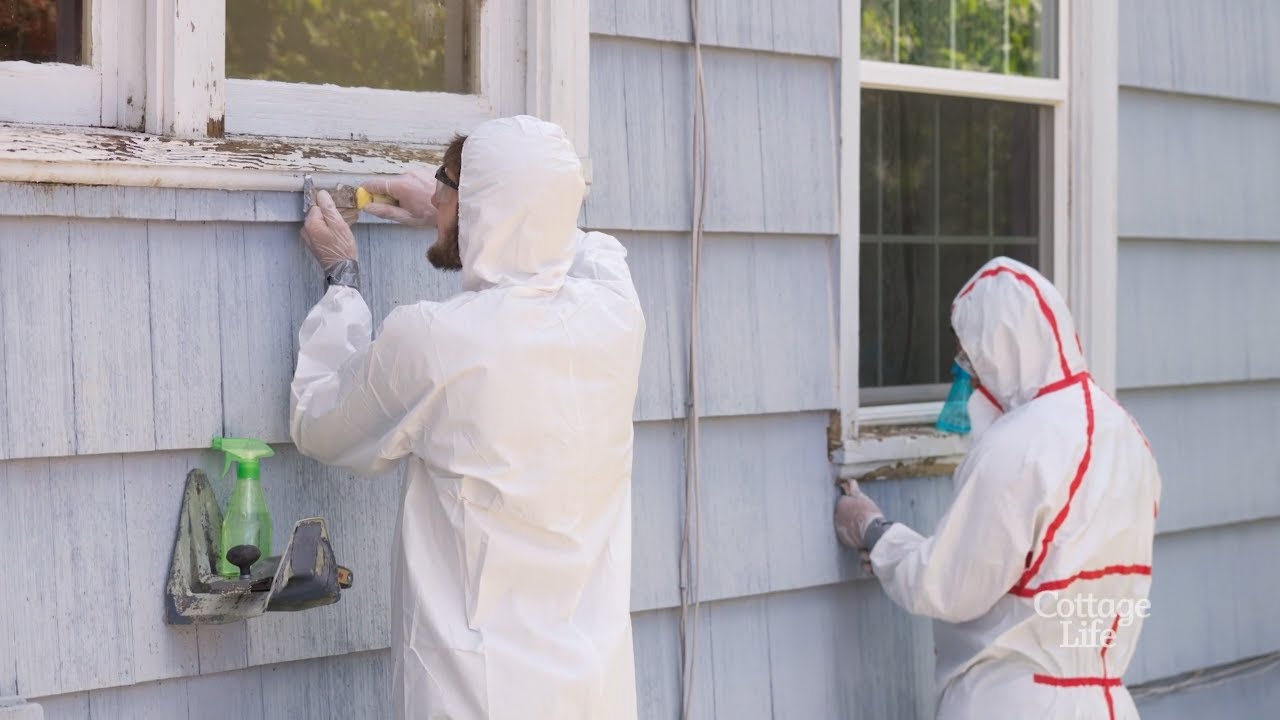
A professional inspection usually involves several steps.
The inspector evaluates the home’s age, condition, renovation history, and painted surfaces.
Each painted surface is scanned or sampled using approved testing methods.
Every tested area is carefully documented.
The report identifies:
Some inspections also assess the condition of deteriorating paint that could create lead dust.
Clients receive a detailed written report that outlines findings and recommendations.
This report may be required during real estate transactions or renovation planning.
Many people assume all lead inspections are the same, but several different services exist.
Determines where lead-based paint is present.
Identifies current lead hazards, including:
Measures lead dust inside the property.
This is often performed after renovation projects.
Conducted after lead removal work to verify the property is safe for occupancy.
Small paint samples are collected and analyzed in certified laboratories.
XRF is widely considered the gold standard.
Advantages include:
Although this method may cost more, it saves considerable time.
Paint chips are removed and sent to accredited laboratories.
Benefits include:
The downside is waiting several days for results.
Lead exposure can cause serious health problems.
Children are particularly vulnerable because their developing brains absorb lead more easily.
Possible health effects include:
Adults may experience:
Pregnant women face additional risks because lead exposure may affect unborn babies.
There are several situations where an inspection is highly recommended.
Knowing whether lead paint exists helps buyers understand future maintenance responsibilities.
Construction activities can disturb old paint and release dangerous lead dust.
Testing beforehand protects workers and occupants.
Having documentation available may simplify property disclosures.
Young children have the highest risk of lead poisoning.
Inspection provides peace of mind.
Landlords of older homes often schedule inspections to better manage maintenance and compliance obligations.
DIY lead test kits are available in many hardware stores.
While inexpensive, they have limitations.
Potential drawbacks include:
Professional inspections remain the preferred option for reliable results.
For most property owners, the answer is yes.
The inspection offers benefits beyond simply identifying lead paint.
Advantages include:
Considering the potential medical costs associated with lead poisoning, inspection fees are relatively modest.
Finding lead paint does not necessarily mean immediate removal is required.
Professionals evaluate its condition.
Possible recommendations include:
A specialized coating seals the lead paint beneath a protective barrier.
New materials are installed over the painted surface.
Lead paint is carefully removed using approved procedures.
Certain components, such as windows or doors, may simply be replaced.
The appropriate solution depends on the paint’s condition and intended use of the property.
Beyond the inspection itself, homeowners may encounter related expenses.
Possible additional services include:
Not every property requires these services, but they may be recommended depending on inspection findings.
You can often minimize expenses by preparing before the inspector arrives.
Helpful tips include:
These simple steps can reduce inspection time and potentially lower costs.
Selecting an experienced inspector is just as important as understanding pricing.
Look for professionals who:
Choosing a qualified inspector ensures accurate results and dependable recommendations.
Homeowners looking for dependable evaluations often rely on experienced companies such as Forscher Property Inspections, which provide thorough property assessments performed according to industry standards.
Understanding how much a lead based paint inspection costs helps homeowners make informed decisions before purchasing, renovating, or selling an older property. While prices generally range from $250 to $700, the final cost depends on property size, inspection methods, location, accessibility, and the scope of testing required.
Although it may seem like an additional expense, a professional lead inspection is an investment in health, safety, and peace of mind. It provides reliable information about potential lead hazards, helps prevent costly surprises during renovations, and ensures you have the documentation needed to manage your property responsibly. For any home built before 1978, scheduling a certified lead-based paint inspection is one of the smartest steps you can take to protect both your property and the people who live in it.