A lead paint inspection is a professional evaluation that determines whether lead-based paint is present in a home or building. Certified inspectors use specialized equipment to identify painted surfaces containing lead without causing unnecessary damage. The inspection helps homeowners, buyers, landlords, and property managers understand potential health risks, comply with regulations, and make informed decisions before renovations or property transactions.
A lead paint inspection is a specialized service that determines whether lead-based paint exists on painted surfaces within a residential or commercial property. Unlike simple home test kits, professional inspections provide reliable, comprehensive results using advanced equipment and established testing methods.
Whether you’re purchasing an older home, planning renovations, managing rental properties, or simply wanting peace of mind, understanding what a lead paint inspection involves can help you make informed decisions. This guide explains the inspection process, why it’s important, how it’s performed, what to expect, and when you should consider scheduling one.
Lead-based paint was widely used in homes throughout the United States for decades because of its durability and moisture resistance. It was commonly applied to walls, trim, windows, doors, porches, and exterior siding.
In 1978, the federal government prohibited the residential use of lead-based paint after research confirmed its harmful effects on human health. However, millions of homes built before that year still contain original layers of lead paint hidden beneath newer coatings.
As long as the paint remains intact, it may present minimal risk. Problems occur when painted surfaces begin to deteriorate or are disturbed during sanding, scraping, drilling, or demolition, releasing invisible lead dust into the air.
A lead paint inspection is a detailed examination performed by a certified professional to identify the presence and location of lead-based paint throughout a property.
Rather than checking only one or two areas, inspectors evaluate virtually every painted component within the home. The goal is to determine exactly where lead-based paint exists so property owners can make informed maintenance and renovation decisions.
Unlike a lead risk assessment, which evaluates current exposure hazards, a lead paint inspection focuses specifically on locating lead-containing paint.
Many homeowners are unaware that their property may still contain lead paint beneath multiple layers of modern paint.
Knowing whether lead paint is present provides several important benefits.
Lead exposure can affect nearly every organ in the body. Children are particularly vulnerable because their developing brains absorb lead more readily than adults.
Health problems may include:
Adults may experience:
Early identification helps reduce unnecessary exposure.
Home improvement projects often disturb painted surfaces.
Without knowing where lead paint exists, activities such as:
can release dangerous lead dust throughout the home.
Inspection allows contractors to take proper safety precautions before work begins.
Purchasing an older property involves understanding potential maintenance issues.
A lead paint inspection gives buyers valuable information about future repair requirements and possible remediation costs.
While inspection requirements vary by location, knowing the condition of your property makes long-term maintenance easier and reduces unexpected surprises.
Professional inspections follow a structured process designed to provide accurate and reliable results.
The inspector begins by gathering basic information about the property, including:
This information helps guide the inspection.
Each painted surface is visually evaluated for:
The condition of painted areas is documented before testing begins.
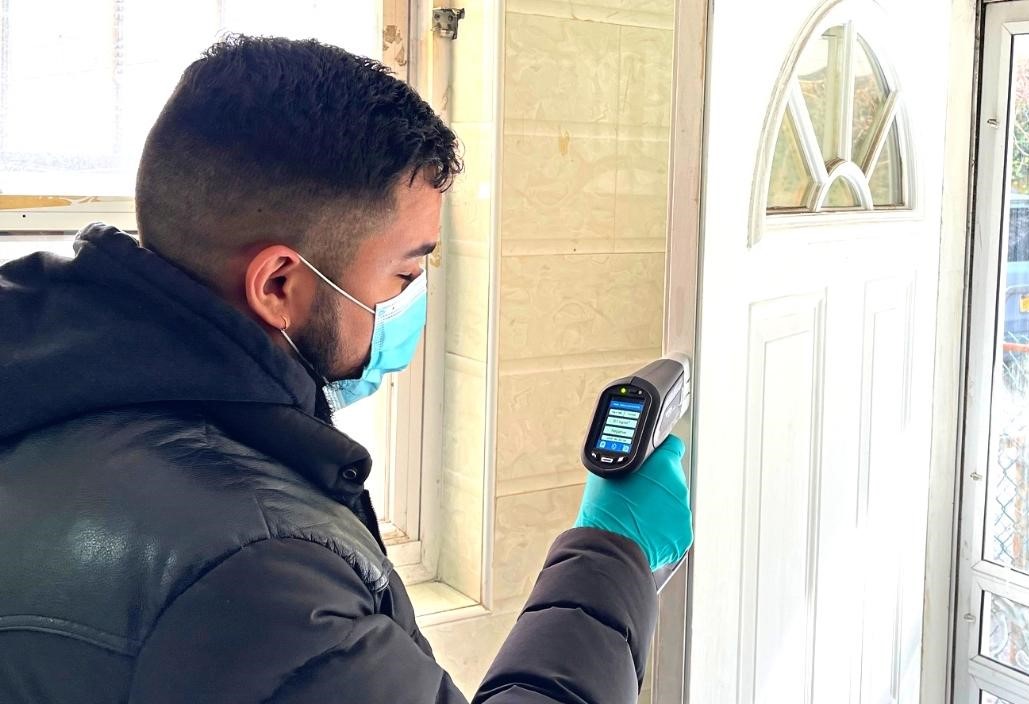
Specialized equipment is then used to identify lead-containing paint.
The inspector tests numerous surfaces throughout the property, including:
Each tested component is carefully recorded.
The report typically identifies:
After testing is complete, homeowners receive a comprehensive written report explaining the inspection findings.
Certified inspectors may use one or more testing methods.
XRF analyzers are considered one of the most accurate inspection tools.
Advantages include:
Because no paint removal is necessary, homeowners experience minimal disruption.
Small paint samples are collected and submitted to accredited laboratories.
Laboratory analysis provides highly accurate results but requires several days before reports are available.
Occasionally, inspectors combine XRF testing with laboratory analysis for additional verification.
Many people confuse these two services.
Although related, they serve different purposes.
Determines where lead-based paint exists within a property.
Evaluates whether current lead hazards are present by examining:
Some property owners benefit from both services depending on their situation.
Several situations make inspection especially valuable.
Understanding whether lead paint exists allows buyers to plan future maintenance costs and renovation strategies.
Federal renovation rules often require special handling procedures when disturbing painted surfaces in older homes.
Inspection helps identify affected areas before work begins.
Some homeowners choose to obtain documentation about lead paint before listing their property.
This provides buyers with additional information during negotiations.
Landlords managing older properties may schedule inspections to better understand the condition of their buildings and plan long-term maintenance.
Young children frequently place hands and toys into their mouths, increasing their risk of ingesting contaminated dust.
Inspection helps identify hidden hazards before exposure occurs.
Lead-based paint was frequently applied to high-wear surfaces because of its durability.
Common locations include:
Even if walls have been repainted multiple times, older layers may still contain lead.
Discovering lead paint does not necessarily mean immediate removal is required.
The appropriate response depends on the paint’s condition.
Possible management options include:
A specially designed coating seals the lead paint beneath a durable barrier.
New building materials cover existing lead-painted surfaces.
Old windows, doors, or trim may be replaced with modern materials.
In some cases, certified lead abatement professionals safely remove lead-containing materials.
The best approach depends on the property’s condition and intended future use.
Inspection time varies according to property size.
Typical estimates include:
Larger homes simply contain more painted surfaces requiring examination.
Professional inspections provide significantly greater accuracy than over-the-counter testing kits.
Certified inspectors use calibrated equipment and standardized procedures designed to minimize errors.
Comprehensive reports also provide documentation that DIY kits cannot offer.
Homeowners can purchase consumer lead test kits from hardware stores.
However, these kits have limitations.
Potential disadvantages include:
DIY kits may provide a basic indication but should not replace professional inspections when important decisions depend on accurate results.
Not every property inspector performs certified lead inspections.
When selecting an inspector, consider whether they:
Working with experienced professionals ensures reliable results and practical recommendations. Companies such as Forscher Property Inspections help homeowners understand the condition of older properties through thorough inspection services performed according to recognized industry standards.
For many homeowners, the answer is yes.
Compared to the potential health risks and unexpected renovation expenses associated with hidden lead paint, the inspection represents a valuable investment.
Benefits include:
Rather than guessing whether lead paint exists, property owners receive reliable information that supports informed decisions.
A lead paint inspection is one of the most effective ways to determine whether an older property contains lead-based paint. It provides accurate information about where lead is located, helping homeowners, buyers, landlords, and property managers protect occupants while planning future maintenance or renovations.
Although many older homes still contain lead paint, identifying its presence does not automatically mean extensive repairs are necessary. In many cases, proper management and routine maintenance are sufficient to reduce potential risks. By scheduling a professional inspection before remodeling, purchasing, or selling an older property, you gain valuable knowledge that supports safer living conditions and responsible property ownership.